
By Dr Puja Nanda, GP, MBChB, MRCGP (2014), DRCOG
Member of the British Menopause Society (BMS) and the National Association of Premenstrual Syndrome (NAPS)
Why Bone Health Matters
This article helps you learn how perimenopause and menopause affect bone health — and discover how exercise, nutrition, and smart tools can help prevent bone loss and support lifelong strength.
Understanding Bone Health in Perimenopause and Menopause
Bone health becomes a crucial focus for women in their 40s and 50s. During perimenopause (the years leading up to menopause), hormone levels — especially oestrogen — begin to fluctuate.
Oestrogen helps maintain bone density, and when it starts to decline, bone resorption (breakdown) accelerates while bone formation slows down.
By the time menopause arrives (defined as 12 months without a menstrual period), oestrogen levels have dropped significantly, leading to an increased risk of osteopenia and osteoporosis — conditions that make bones fragile and more prone to fractures.
Did You Know?
Women can lose up to 10% of their bone mass during perimenopause and another 10% or more in the early years of menopause.
The Hormonal Connection: Why Bone Loss Speeds Up
Oestrogen isn’t just a reproductive hormone — it’s also a bone protector. It helps regulate calcium and supports the cells that build new bone tissue.
When oestrogen levels drop:
-
Calcium absorption decreases
-
Bone breakdown increases
-
Vitamin D efficiency drops, affecting bone repair
-
Muscle mass declines, reducing bone support
That’s why early awareness and proactive care are key during both perimenopause and menopause.
More on bone health, from our specialists
One email a month: new articles written by the clinicians you’d see. No spam, unsubscribe anytime.
Exercise: The Best Natural Defence Against Bone Loss
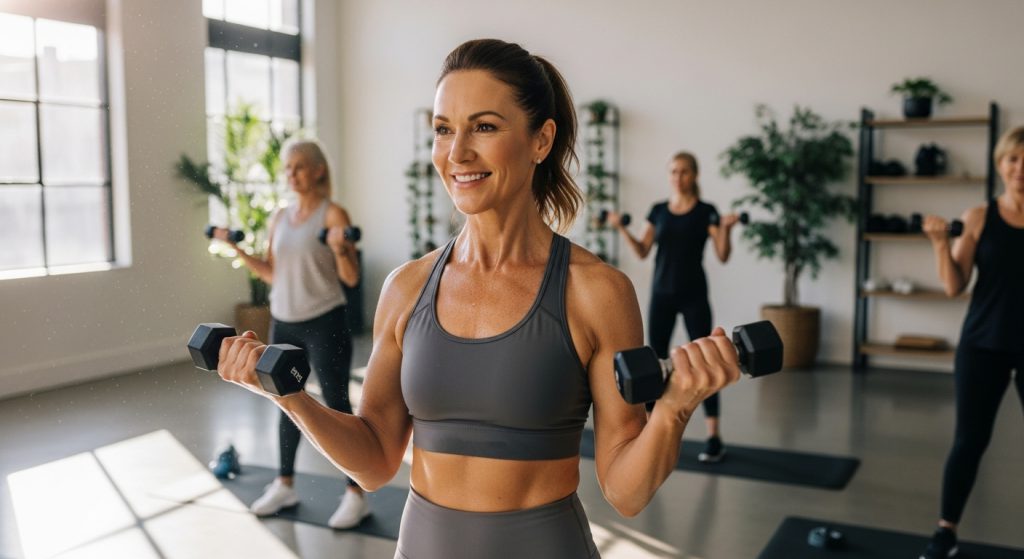
Movement is medicine for your bones. Weight-bearing and resistance exercises stimulate bone-building cells (osteoblasts) and strengthen muscles that protect your joints and spine.
Best Exercises for Bone Health
-
Weight-Bearing Cardio:
Brisk walking, dancing, hiking, stair climbing, or tennis keep bones strong — especially in hips and legs. -
Resistance Training:
Using weights, resistance bands, or body weight (squats, lunges, push-ups) builds both bone and muscle. -
Balance & Flexibility Training:
Yoga, Pilates, and Tai Chi improve coordination and reduce fall risk — a major cause of fractures in older adults.
Aim for 30–45 minutes of activity most days and 2–3 strength-training sessions per week.
Nutrition for Strong Bones
Exercise alone isn’t enough — your bones also need the right nutrients.
Essential Nutrients for Bone Health
| Nutrient | Recommended Amount | Food Sources |
|---|---|---|
| Calcium | 1,200 mg/day | Dairy, tofu, leafy greens, almonds |
| Vitamin D | 800–1,000 IU/day | Sunlight, salmon, fortified foods |
| Protein | 1–1.2g per kg of body weight | Lean meats, beans, eggs, dairy |
| Magnesium & Vitamin K | — | Nuts, seeds, spinach, avocados |
Avoid smoking and excessive alcohol, as both can accelerate bone loss and interfere with calcium absorption.
Lifestyle Habits That Support Bone Strength
In addition to exercise and diet, these everyday habits make a big difference:
-
Get 7–8 hours of sleep to allow bone repair.
-
Manage stress, which affects hormone balance and calcium metabolism.
-
Limit sugar and processed foods, as they increase inflammation.
-
Schedule a DEXA scan to check bone density, especially if you’re postmenopausal.
The Takeaway: You Can Strengthen Your Bones at Every Stage
Perimenopause and menopause may bring changes, but they also offer a chance to take control of your long-term health.
With the right mix of exercise and nutrition, you can maintain strong, resilient bones for decades to come.