




Sleep problems
Waking at 3am, night sweats and racing thoughts are among the most common symptoms of perimenopause and menopause. Poor sleep affects everything else, and it can be treated.
Why sleep changes
Changing oestrogen and progesterone affect body temperature, mood and the sleep cycle itself, so sleep often gets lighter and more broken in perimenopause and menopause. One of our GPs explains what is going on.
What helps
Treating the cause matters: HRT can improve sleep when night sweats are the problem, and CBT for insomnia is one of the most effective approaches whatever the cause — including when HRT isn’t an option. Practical changes to routine, alcohol and caffeine help too.
How we can help
A specialist consultation looks at your sleep alongside your other symptoms, rules out other causes such as thyroid or iron problems where needed, and agrees a plan.
Sound familiar?
Our specialists assess and treat sleep problems at 8 UK clinics and online.
How we treat it
- Specialist consultation A 45-minute assessment of your sleep and other symptoms, with a written plan. About consultations
- Psychotherapy Talking therapy where anxiety or stress is keeping you awake. About psychotherapy & psychosexual medicine
Frequently asked questions
Why do I wake at 3am in perimenopause?
Hormonal changes affect temperature, mood and the sleep cycle, which commonly leads to early-morning waking. Night sweats and anxiety can add to it.
Does HRT help with sleep?
It can, especially when night sweats or hot flushes are disturbing sleep. It is one of several options a specialist can discuss with you.
From our knowledge library
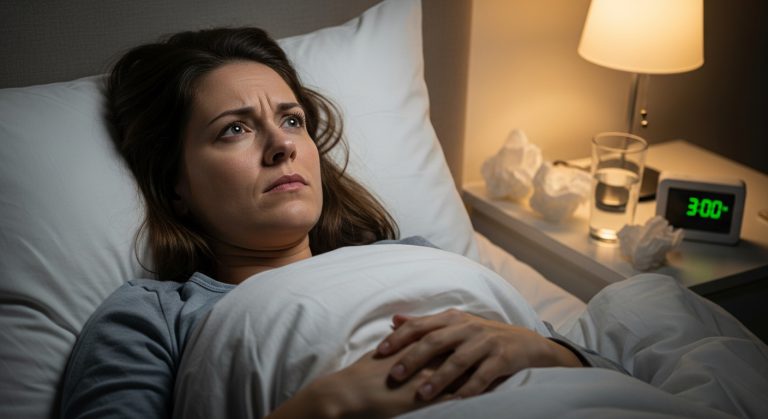
What’s going on with sleep during perimenopause and menopause?
By Dr Paula Bradley, GP, Women’s Health & Menopause Specialist at TMC If you are navigating your 40’s or 50’s and suddenly…

CBT for Menopause: A Proven, Empowering Alternative When HRT Is Not an Option
By Dr Saadat Ahsan, BMS Registered Menopause Specialist TMC Peterborough. For women who cannot take Hormone Replacement Therapy due to breast cancer,…