
Introduction
Premenstrual Dysphoric Disorder (PMDD) is a severe form of premenstrual syndrome that can affect both mind and body. While many people experience PMS, PMDD goes further — bringing intense mood swings, exhaustion, and physical symptoms that return with each menstrual cycle.
It can disrupt work, relationships, and everyday life, often leaving women feeling misunderstood or told it’s “just hormones.” But PMDD isn’t in your head — it’s a recognised medical condition caused by sensitivity to normal hormonal changes.
If you’ve ever wondered what is PMDD or searched for the meaning of PMDD, you’re not alone. With the right diagnosis and support, symptoms can be managed and life can start to feel balanced again.
If you think you might have PMDD, our specialists can help.
What Is PMDD and How Is It Different from PMS?
While PMS (premenstrual syndrome) can cause mild changes in mood, appetite, and energy before a period, PMDD (Premenstrual Dysphoric Disorder) is a far more severe condition. PMDD isn’t caused by a hormonal imbalance — instead, it’s a hormone-sensitivity disorder, meaning the body reacts abnormally to normal fluctuations in oestrogen and progesterone during the menstrual cycle.
This heightened sensitivity affects brain chemistry, particularly serotonin — the neurotransmitter responsible for mood regulation. As a result, those with PMDD can experience profound emotional and physical symptoms, often severe enough to disrupt relationships, work, and daily routines.
Unlike PMS, PMDD symptoms can include episodes of rage, intense anxiety, hopelessness, or depression that feel overwhelming but lift once menstruation begins. This is what distinguishes PMDD vs PMS, and why it’s often mistaken for — or coexists with — other mood disorders like depression or anxiety.
PMS vs PMDD: Key Differences
| Feature | PMS | PMDD |
| Symptom intensity | Mild–moderate | Severe, disabling |
| Emotional changes | Irritability | Anxiety, rage, depression |
| Impact | Usually manageable | Significant interference with life |
If your symptoms feel unmanageable or consistently affect your mental wellbeing, you’re not alone — PMDD affects roughly 3–8% of menstruating women. With understanding, diagnosis, and proper care, it’s possible to regain control and feel like yourself again.
PMDD Symptoms — Emotional, Physical & Behavioural
Everyone experiences hormonal changes differently, but for those with PMDD, the symptoms are often intense and cyclical — peaking in the two weeks before a period and easing once bleeding begins. Understanding these patterns can help you recognise that what you’re feeling is real, measurable, and treatable.
Emotional and Mental Symptoms
The emotional impact of PMDD is often the most distressing. Many women describe feeling like a different person for part of each month — anxious, angry, or deeply low without clear reason.
Common emotional symptoms include:
- PMDD anxiety: a persistent sense of unease, tension, or dread.
- PMDD mood swings: rapid changes from irritability to sadness, often triggered by small events.
- PMDD anger: sudden frustration or rage that feels out of character.
- PMDD depression: feelings of hopelessness, guilt, or loss of interest in things you usually enjoy.
Some also experience heightened sensitivity to rejection or feel disconnected from loved ones during this phase. These emotional shifts often lift shortly after menstruation begins — one of the defining features that distinguishes PMDD from other mood disorders.
You’re not imagining it, and you’re not alone. These changes are driven by the body’s unique sensitivity to hormonal fluctuations and the effect they have on brain chemistry.
Physical Symptoms
Physical symptoms of PMDD mirror those of PMS but are typically more intense and longer-lasting. Many women report:
- PMDD fatigue or exhaustion that makes it difficult to concentrate or carry out daily tasks.
- PMDD bloating and abdominal discomfort.
- Breast tenderness or swelling.
- Headaches or joint pain.
- PMDD sleep problems, including insomnia or oversleeping.
These physical discomforts can worsen emotional distress — especially when sleep quality is affected or fatigue builds up over several days. Keeping track of how your physical symptoms change through the cycle can reveal useful patterns to share with your clinician.
Behavioural and Cognitive Changes
PMDD doesn’t just affect how you feel — it can change how you think and behave. During the luteal phase (the two weeks before a period), it’s common to experience:
- PMDD concentration difficulties or brain fog.
- PMDD irritability and impatience.
- PMDD withdrawal from social situations or loved ones.
- Low motivation or difficulty making decisions.
These symptoms often lead to guilt or self-criticism, but recognising them as part of the PMDD cycle can help you take a more compassionate approach. Keeping a daily symptom log — noting mood, sleep, energy, and triggers — can make patterns clearer and provide valuable insight for diagnosis and treatment.
While the range of PMDD symptoms can feel overwhelming, they are all connected to the body’s heightened response to hormonal change. With the right treatment and support, these patterns can be managed — helping you regain stability and confidence each month.
What Causes PMDD?
The exact causes of PMDD aren’t fully understood, but research shows it’s not a hormonal imbalance — your hormone levels are usually normal. Instead, PMDD develops because the brain is overly sensitive to normal hormonal fluctuations, particularly the rise and fall of oestrogen and progesterone in the second half of the menstrual cycle (the luteal phase).
When these hormones fluctuate, they affect brain chemicals such as serotonin — a neurotransmitter that regulates mood, sleep, and emotional stability. For people with PMDD, these shifts can lead to marked changes in serotonin levels and receptor sensitivity, triggering significant mood and behavioural symptoms. This connection between PMDD and serotonin explains why some antidepressants, particularly SSRIs, can be effective treatments.
Hormonal Sensitivity, Not Imbalance
In PMDD, the issue isn’t the amount of hormone but how the brain responds to them. Studies have shown that women with PMDD experience abnormal activation in areas of the brain that regulate emotion when exposed to changing oestrogen and progesterone levels. This suggests that PMDD is a neuroendocrine disorder — one rooted in the interaction between the endocrine (hormone) system and the brain.
Other Contributing Factors
While hormonal sensitivity is at the core, several factors can amplify PMDD symptoms:
- Stress: chronic stress can worsen hormonal reactivity and disrupt serotonin balance.
- Genetics: there’s evidence that PMDD can run in families, possibly due to inherited differences in hormone receptor function.
- Lifestyle factors: poor sleep, excessive caffeine, alcohol use, or lack of exercise may intensify premenstrual changes.
Understanding Your Triggers
Each person’s experience is unique. For some, PMDD triggers include stressful life events, changes in routine, or even certain foods and medications. Tracking these patterns alongside your cycle can help identify what makes symptoms worse — and what helps relieve them.
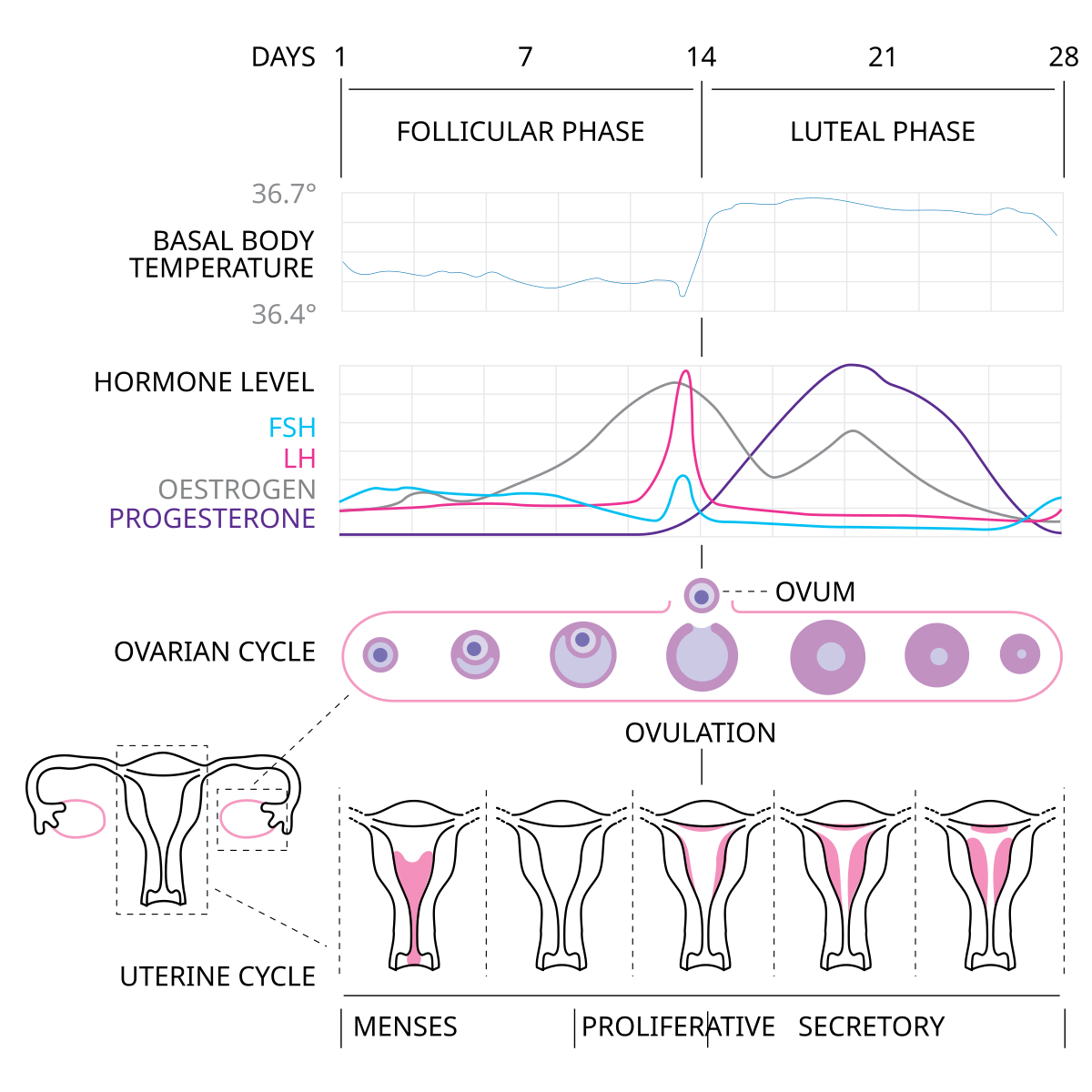
Hormone fluctuations across the menstrual cycle. PMDD symptoms typically appear during the luteal phase, when progesterone and oestrogen levels change most sharply.
Although PMDD stems from biological sensitivity, understanding the hormonal and neurological pathways behind it offers hope — because when we know the cause, we can target the solution.
How PMDD Is Diagnosed
Getting an accurate PMDD diagnosis is an important step toward finding relief and understanding what’s happening in your body. Because PMDD symptoms overlap with other conditions such as PMS, anxiety, and depression, proper assessment is key — and diagnosis is based on careful tracking rather than a single PMDD test.
Tracking Symptoms
The first stage of diagnosis involves monitoring your symptoms over at least two menstrual cycles. This helps identify the cyclical pattern that defines PMDD — symptoms that appear during the luteal phase (the two weeks before your period) and improve within a few days of menstruation starting.
You can use a paper diary or a free PMDD tracker app to log daily mood changes, sleep patterns, physical symptoms, and energy levels. This record gives clinicians a clear picture of how your symptoms fluctuate with your cycle.
More on PMDD & PMS, from our specialists
One email a month: new articles written by the clinicians you’d see. No spam, unsubscribe anytime.
DSM-5 Diagnostic Criteria
PMDD is officially recognised in the Diagnostic and Statistical Manual of Mental Disorders (DSM-5). To meet the criteria, a person must experience at least five or more symptoms, including at least one mood-related symptom such as irritability, anxiety, or low mood.
These symptoms must:
- Be present for most cycles in the past year.
- Interfere significantly with work, relationships, or daily activities.
- Not be better explained by another medical or psychological condition.
A specialist will also review the timing and severity of your symptoms to confirm they fit the PMDD criteria and not another hormone-related or mood disorder.
Ruling Out Other Conditions
Because other health issues can mimic PMDD, your clinician may recommend blood tests to check for thyroid imbalance, anaemia, or other underlying causes. Screening for anxiety and depression is also common, as these can co-exist with or be mistaken for PMDD.
Self-diagnosis can be confusing — the symptoms of PMDD are real, but accurate identification requires professional evaluation. Our clinicians can help confirm what’s happening and guide you toward effective treatment.
Book a PMDD assessment online or in clinic with TMC Health to start understanding your cycle and finding relief.
PMDD Treatment Options
Although PMDD (Premenstrual Dysphoric Disorder) can feel overwhelming, effective treatment options are available — and the right plan can make a profound difference. Because PMDD stems from hormonal sensitivity and changes in brain chemistry, treatments target both the biological and emotional aspects of the condition. Your clinician may recommend a combination of medical, therapeutic, and lifestyle approaches based on your individual needs and symptom patterns.
Medical Treatments
Medical treatment for PMDD focuses on stabilising mood and regulating the hormonal shifts that drive symptoms. The most commonly prescribed PMDD medications fall into two main categories: antidepressants and hormonal therapies.
1. Antidepressants (SSRIs)
The most effective and widely used medications for PMDD are Selective Serotonin Reuptake Inhibitors (SSRIs), which help regulate serotonin levels — the chemical messenger linked to mood, sleep, and emotional balance.
Common SSRIs used in PMDD treatment include fluoxetine (Prozac) and sertraline (Zoloft). These can be taken:
- Daily throughout the month, or
- Intermittently during the luteal phase (the two weeks before menstruation).
For many women, this approach quickly reduces symptoms such as irritability, anxiety, and mood swings. SSRIs are considered first-line treatments because they target the serotonin sensitivity thought to underlie PMDD.
Side effects are generally mild but can include nausea, sleep changes, or reduced libido. These usually improve with time or dosage adjustments. Regular review with your clinician ensures that the medication remains effective and well-tolerated.
2. Hormonal Treatments
Since PMDD is triggered by hormonal fluctuations, stabilising these changes can relieve symptoms. Options may include:
- Continuous combined oral contraception (the pill): prevents the natural hormonal rise and fall across the cycle.
- GnRH analogues: temporarily suppress ovulation and create a reversible menopause-like state, often used when other treatments haven’t worked.
These treatments can be effective but require careful monitoring due to potential side effects such as bone thinning, hot flushes, or lowered mood. Hormone therapy should always be prescribed and supervised by a specialist to ensure safety and suitability.
Some clinicians may also explore progesterone-based treatments or combinations depending on individual hormone sensitivity.
Therapy and Lifestyle Approaches
Medication isn’t the only route to managing PMDD — for many, the most sustainable progress comes from combining medical support with psychological and lifestyle changes.
1. Cognitive Behavioural Therapy (CBT)
PMDD therapy, particularly CBT, helps you understand and reframe the thoughts and behaviours that can intensify distress during the premenstrual phase. It equips you with coping strategies to manage mood changes, relationship strain, and self-criticism.
CBT can be done individually or with a partner, and even short-term programmes have been shown to improve emotional resilience and wellbeing.
2. Counselling and Emotional Support
Speaking openly about PMDD can be difficult, especially if you’ve been told to “just get on with it.” Counselling provides a safe space to process the frustration, guilt, or exhaustion that often accompany this condition.
Joining PMDD support groups — in person or online — can also reduce isolation and help you learn from others’ experiences.
3. Lifestyle Strategies
A holistic approach to PMDD treatment includes small, consistent changes in daily habits that help balance hormones and reduce stress:
- Regular movement: gentle exercise such as walking, yoga, or strength training can improve serotonin and energy levels.
- Balanced meals: focus on steady blood sugar with whole grains, lean protein, and plenty of fruit and vegetables.
- Rest and recovery: prioritise good-quality sleep and reduce caffeine and alcohol intake.
- Cycle awareness: using a symptom tracker helps you plan around your higher-sensitivity days, reducing pressure and guilt.
These adjustments support both mental and physical stability, and when combined with therapy or medication, can significantly reduce PMDD’s intensity.
PMDD management is never one-size-fits-all. Some women find relief through lifestyle changes alone, while others benefit from a mix of medical and psychological treatments. The key is finding the combination that works for your body and your life.
Our specialists create tailored treatment plans to match your body and lifestyle — helping you regain control, balance, and confidence month after month.
Managing PMDD Day-to-Day
Living with PMDD can feel unpredictable — some days you may feel fine, while others bring exhaustion, anxiety, or frustration. The goal of PMDD coping isn’t perfection, but empowerment: small, consistent changes that help your mind and body stay balanced through each cycle.
Move Your Body — Gently and Regularly
Exercise doesn’t need to be intense to be effective. Gentle movement such as walking, yoga, swimming, or light resistance training can help regulate mood, boost serotonin, and reduce tension. Even a short daily stretch or 20-minute walk can improve sleep and concentration. The key is consistency — not performance.
Prioritise Rest and Sleep
A consistent sleep routine is one of the most powerful tools for managing PMDD symptoms. Aim for regular sleep and wake times, create a calming bedtime ritual, and limit screen time before bed. Poor sleep can heighten irritability, anxiety, and low mood, so protecting your rest is an essential part of self-care.
Support Your Body with Nutrition
Balanced nutrition helps steady blood sugar and support hormone function. Focus on whole foods — lean proteins, complex carbohydrates, healthy fats, and plenty of fruit and vegetables. Reduce refined sugar and processed snacks, which can worsen bloating and energy crashes. Limiting caffeine and alcohol may also reduce anxiety and sleep disturbances.
Track and Understand Your Triggers
Keeping a journal or using a cycle-tracking app allows you to see how symptoms change throughout the month. You might notice patterns linked to stress, sleep, or diet. Recognising these PMDD triggers helps you plan ahead — scheduling rest on high-symptom days or communicating with loved ones before challenges arise.
Practice Relaxation and Mindfulness
Simple techniques like deep breathing, meditation, or journaling can calm your nervous system and make emotional waves easier to manage. Mindfulness doesn’t stop symptoms, but it helps you respond with awareness rather than overwhelm.
Managing PMDD is about progress, not perfection. Every small act of self-care — whether it’s choosing an early night, taking a walk, or simply acknowledging how you feel — supports long-term balance. Over time, these daily habits build resilience and help you feel more in control of your cycle and your wellbeing.
Living With PMDD — Support and Relationships
PMDD doesn’t just affect the person experiencing it — it can touch every part of life, from relationships and friendships to work and social connections. The cyclical nature of the condition means that for part of each month, even simple interactions can feel overwhelming. Recognising this isn’t a personal failing, but a result of how PMDD affects mood and stress response, is the first step toward managing its impact compassionately.
At work, fluctuating energy and focus can make consistency difficult. Open conversations with trusted colleagues or managers — if you feel comfortable — can help them understand that your symptoms are medical, not motivational. Small adjustments, like flexible hours or remote days during your most symptomatic phase, can make a big difference.
Nurturing Relationships
PMDD can create tension or misunderstanding in close relationships. Partners or family members might misinterpret withdrawal or irritability as rejection, when in reality it’s part of the PMDD cycle. Honest communication is essential. Explain that symptoms come and go with hormonal changes and that support — not solutions — is what helps most.
Partner support tips:
- Listen without judgement: being heard is more helpful than advice.
- Avoid minimising: comments like “just relax” or “it’s only hormones” can feel dismissive.
- Plan ahead: mark difficult days in the calendar to prepare emotionally and practically.
Encouraging partners to learn about PMDD can strengthen understanding and reduce conflict. Sharing articles or reputable medical resources can help loved ones grasp the biological basis of the condition and offer support rather than frustration.
Finding Support Beyond Home
Connecting with others who understand can be incredibly validating. There are several PMDD support groups available both online and across the UK, including communities run by NAPS (National Association of Premenstrual Syndrome) and local Facebook or NHS-endorsed groups.
Joining a support group helps you realise you’re not alone — there’s strength in shared experience. Whether you’re seeking emotional guidance, practical tips, or reassurance, these communities can make a huge difference in coping day-to-day.
When to Seek Professional Help
While self-care strategies and lifestyle changes can ease some symptoms, PMDD often needs professional support to bring lasting relief. It’s important to know when to reach out for help — especially if symptoms start to seriously affect your quality of life.
When to Talk to a Specialist
You should seek help from a PMDD specialist or GP if you notice any of the following:
- Your mood or behaviour changes are causing conflict at home, work, or in relationships.
- You feel unable to cope for several days each month.
- You experience suicidal thoughts, hopelessness, or self-harm urges during the premenstrual phase.
- You’ve tried self-help or lifestyle changes but still find symptoms overwhelming.
These are not signs of weakness — they’re signs your body and mind need support. PMDD is a recognised condition, and effective treatments are available. The sooner you seek professional guidance, the sooner you can begin to regain stability and confidence.
Finding the Right Care
A healthcare professional — ideally a PMDD doctor in the UK who understands women’s hormonal health — can assess your symptoms, rule out other conditions, and recommend treatment options tailored to you. Whether that involves medication, therapy, or hormonal management, expert input ensures your plan is both safe and effective.
If you’re struggling, don’t wait until things reach crisis point. Compassionate help is available.
Book a consultation with TMC Health — expert PMDD care, in person or online.
Frequently Asked Questions About PMDD
PMS and PMDD in perimenopause
The years of perimenopause can bring new challenges for women living with PMS and PMDD. Symptoms may become more intense as periods become irregular and unpredictable, which can add stress and discomfort, so it is important to seek proper medical care and support.
After ovulation, the body moves into the luteal phase, which usually lasts about two weeks. During this time hormone levels fall, which can bring fatigue, irritability, sadness, anxiety, mood swings, poor concentration, sleep problems and food cravings, along with physical symptoms such as bloating, cramps, breast tenderness, hormonal acne and headaches.
No two women’s experience of PMDD in perimenopause is the same, so care should be personalised and adjusted as your symptoms and cycle change.
What causes PMDD?
PMDD is caused by an abnormal sensitivity to normal hormonal changes during the menstrual cycle — particularly shifts in oestrogen and progesterone. These fluctuations affect serotonin, the brain chemical that regulates mood and emotion. This hormone-sensitivity response triggers the emotional and physical symptoms associated with PMDD.
How is PMDD diagnosed?
Diagnosis involves tracking symptoms over at least two menstrual cycles and applying the DSM-5 criteria — five or more symptoms, including one mood-related. A clinician may recommend a paper diary or app-based tracker to record daily changes. Blood tests can help rule out thyroid issues or other conditions that mimic PMDD.
Can PMDD get worse with age?
PMDD can sometimes intensify in the late 30s and 40s, when hormonal fluctuations become more pronounced in the years leading up to menopause. Stress and lifestyle factors can also play a role in symptom severity. Seeking help early can reduce long-term impact and improve quality of life.
What is the best treatment for PMDD?
The most effective treatments combine SSRIs (such as fluoxetine or sertraline) with lifestyle changes and, in some cases, hormonal therapy. Cognitive Behavioural Therapy (CBT) and self-care techniques can further support emotional wellbeing. The best plan depends on individual response and symptom patterns.
How long does PMDD last?
PMDD symptoms typically appear in the luteal phase — the two weeks before menstruation — and ease within a few days of bleeding starting. This cyclical pattern is a hallmark of the disorder. Keeping a symptom tracker can help confirm this timing and support diagnosis.
Can PMDD be cured?
While there’s no permanent cure yet, PMDD can be effectively managed through a combination of medical, therapeutic, and lifestyle strategies. Many women experience significant improvement with the right treatment. For most, symptoms lessen naturally after menopause as hormone cycles stabilise.
Summary and Next Steps
PMDD is real, common, and — most importantly — treatable. If you’ve been struggling with overwhelming mood changes, anxiety, or fatigue before your period, know that it isn’t your fault and you’re not alone. Understanding PMDD is the first step toward regaining control of your wellbeing. With the right diagnosis, treatment, and support, symptoms can be managed and life can start to feel balanced again.
Take the next step toward feeling like yourself again.
Book an appointment with our Women’s Health Specialists today — expert PMDD care in person or online.