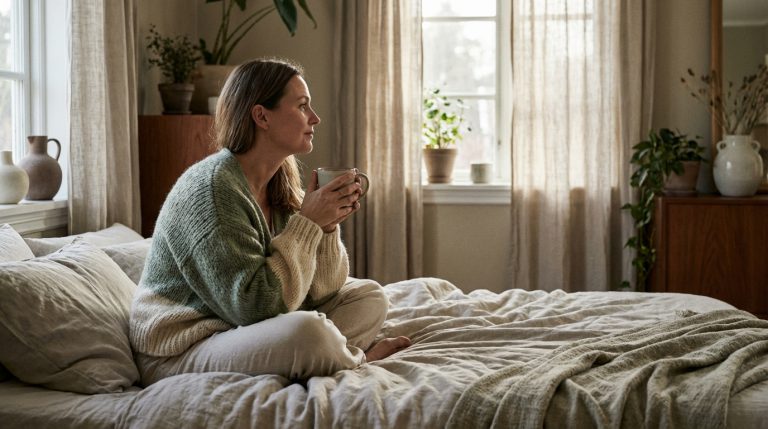
Hormonal change runs through a woman’s life in stages that rarely get talked about as one story — first periods, fertility, pregnancy and postnatal recovery, perimenopause, menopause. Each stage tends to arrive with its own appointment, its own specialist, its own separate conversation. What often gets lost is the sense of being one person moving through all of it.
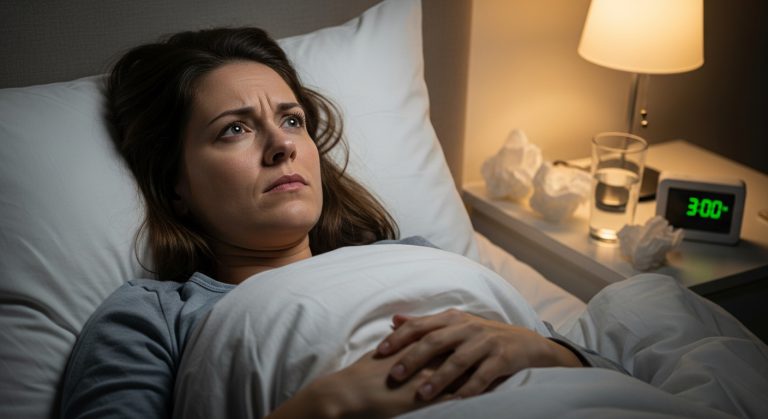
Most of the women I see are somewhere in perimenopause or menopause, and they arrive with some combination of hot flushes, night sweats, broken sleep, anxiety, low mood, aching joints, and a fog they struggle to put a name to.
That’s where I come in. I offer Five Element acupuncture — an approach that looks at the whole person, not just the symptom.
Looking at the person, not the stage
Five Element acupuncture starts from the idea that mind, body and spirit aren’t separate systems to manage individually. Whatever stage of hormonal change someone is in — cycles that have become unpredictable, the exhaustion of new motherhood, the disorientation of perimenopause — I’m looking at the same person underneath it, with the same constitution, the same patterns, the same history.
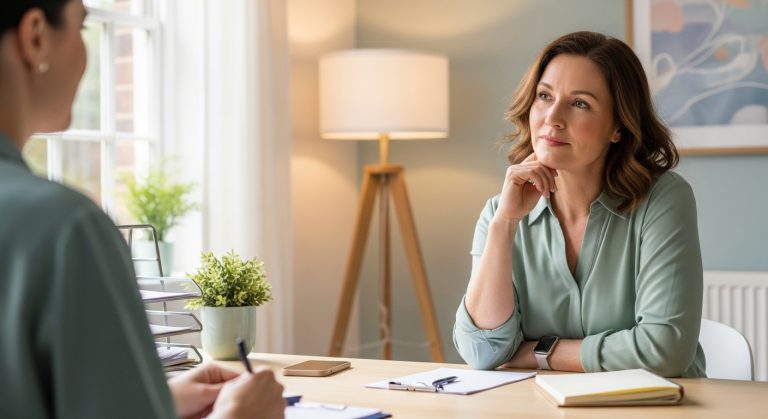
That’s part of why the first acupuncture session is long. It’s not just symptom-gathering. It’s getting a real picture of who’s in front of me: what’s changed, what’s been carrying you, where your resilience usually comes from and where it’s worn thin.
What happens in a session
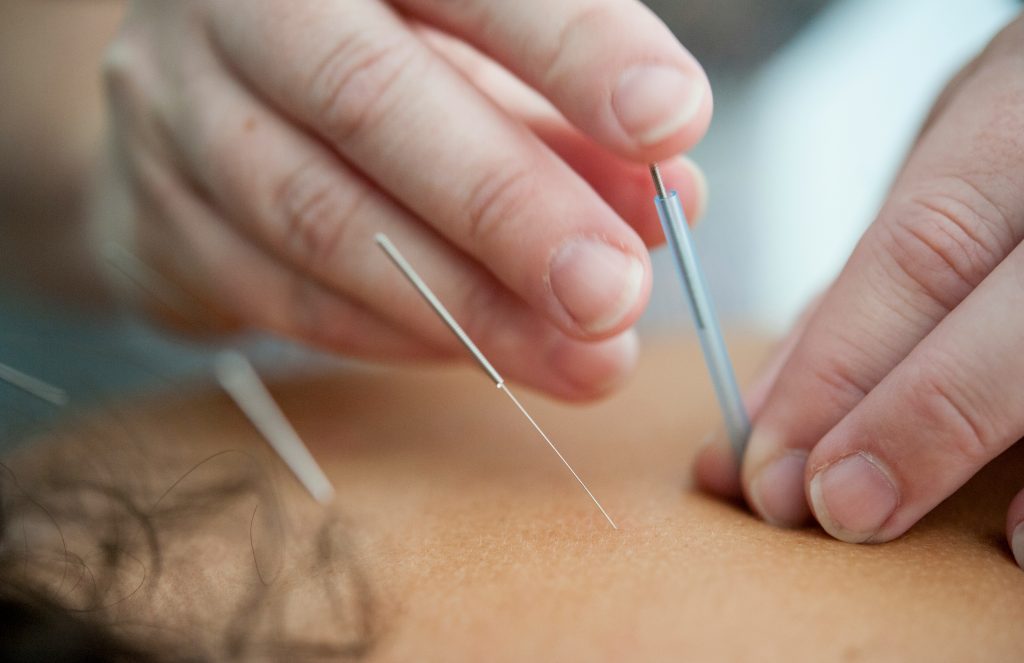
First of all there is time for you to settle and relax. Then fine, single-use needles are placed at specific points, chosen for you on that day, and then there’s stillness — often the only unhurried, uninterrupted hour many women have had in weeks.
The needles are very fine, around a quarter of a millimetre, and far finer than anything used for an injection or a blood test. Most people feel a brief dull ache or a spreading heaviness as one is placed, and then very little.
Women often come to me describing their lives and experiences of healthcare in similar terms: rushed, unheard, managing everyone else’s needs before their own. Whatever else a session does, it reliably offers the opposite of that — space, attention, and time that belongs entirely to them.
Are there specific acupuncture points for perimenopause and menopause?
This is one of the questions I’m asked most, and my answer probably isn’t the one people expect: there isn’t a standard set of points for perimenopause and menopause, and I’d be cautious about anyone who tells you there is.
You’ll find lists online — points for hot flushes, points for night sweats, ear points for menopause. They’re not nonsense, and there are patterns that come up often. But choosing points from a symptom list is a bit like prescribing by algorithm. Two women with an identical set of symptoms may be treated quite differently, because what I’m treating is the pattern underneath the symptoms, not the symptoms themselves.
What that means in practice is that the points I use for you may change from one session to the next, depending on what’s shifted since I last saw you.
More on perimenopause, from our specialists
One email a month: new articles written by the clinicians you’d see. No spam, unsubscribe anytime.
Why the whole-person view matters with perimenopause and menopause symptoms
Hormonal change rarely announces itself through one symptom at a time. Hot flushes, sleep, mood, energy, joint pain and a sense of self can all shift together, and looking at them as separate, unrelated things can miss what’s actually going on. Working with the whole person means I’m not just responding to whatever’s loudest that week — I’m looking at the pattern underneath it, and how it’s shifted from the last time I saw you.
Every woman’s experience of this is different, which is why each session is built around you as an individual rather than a standard protocol for “menopause” or “perimenopause.” What I’m looking at is your constitution, not a life stage.
Does acupuncture help with menopause symptoms?
I want to be straightforward about this, because you’ll find bolder claims elsewhere.
One large trial — the ACUFLASH study, the biggest of its kind for menopausal symptoms — compared acupuncture plus self-care against self-care alone in postmenopausal women having frequent hot flushes. Researchers reported a significantly greater drop in both the frequency and intensity of hot flushes in the acupuncture group, along with improvements in sleep and other wellbeing measures. It’s a promising finding, but it’s one study, and it compared acupuncture against self-care rather than against sham needling. Trials that use a sham comparison have generally struggled to show it’s the specific points doing the work, so I’d treat this as encouraging rather than conclusive.
I don’t find that as troubling as it might sound, though. What sham-controlled studies can’t easily isolate is everything wrapped around the needling: the longer first appointment, being asked careful questions by someone paying attention, an hour of stillness. I’d say that’s part of what’s working rather than a problem to be solved.
What acupuncture won’t do is replace HRT or change what’s happening to your reproductive system. It isn’t a hormone treatment, and I’d never suggest anyone stop or delay something that’s helping them.
Working alongside HRT and your wider care
Acupuncture sits alongside whatever other care and treatment you have in place — it isn’t instead of it. Most of the women I see are on HRT, and there’s no known interaction between the two: acupuncture doesn’t affect how HRT is absorbed or metabolised.
I always want to know what else is going on: what your GP, gynaecologist or specialist has advised, what medication or treatment you’re on, what’s already being looked after elsewhere. That fuller picture means I can look after you better, and keeps everyone involved in your care on the same page.
If you’re curious
If any of this resonates — if you’re moving through a hormonal stage that feels bigger than the symptom list on a leaflet — it’s worth a conversation. Not to replace anything you’re already doing, but to see whether some dedicated, whole-person attention has a place alongside it.
I practise at my clinic, Forest Acupuncture, based in Burton Joyce, Nottingham with daytime, evening and weekend appointments available.
Emma Marshall is a Lic.Ac. acupuncturist offering Five Element acupuncture at TMC Health, with a particular interest in women’s health, menopause, mental health and pain management. She spent over 25 years working in NHS pharmacy and clinical research before training as an acupuncturist.