
Understanding the Connection Between Menopause and Pelvic Health
Menopause — whether natural, surgical, or medically induced — brings significant hormonal shifts that can impact many aspects of a woman’s health.
One area that often doesn’t get enough attention is pelvic health.
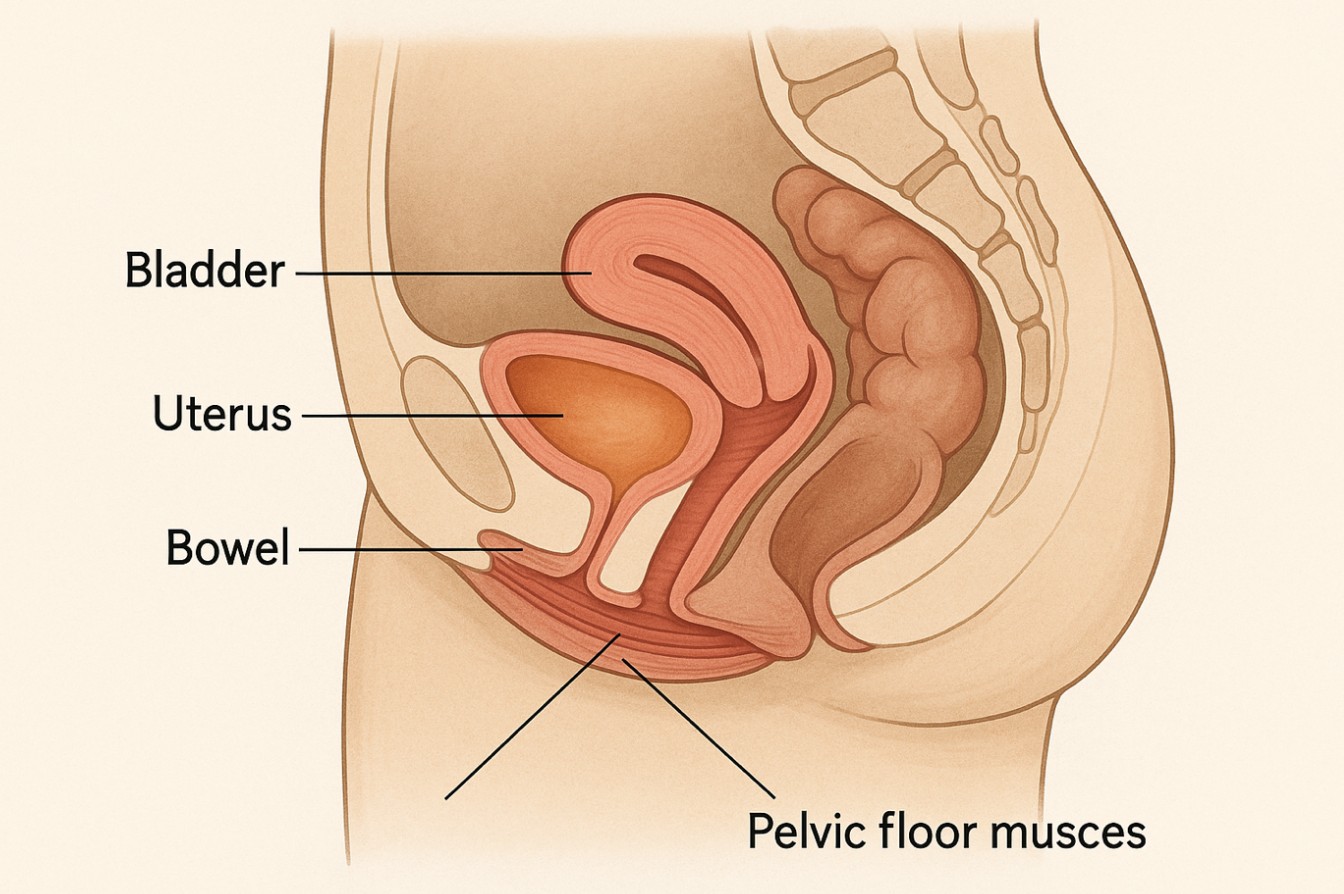
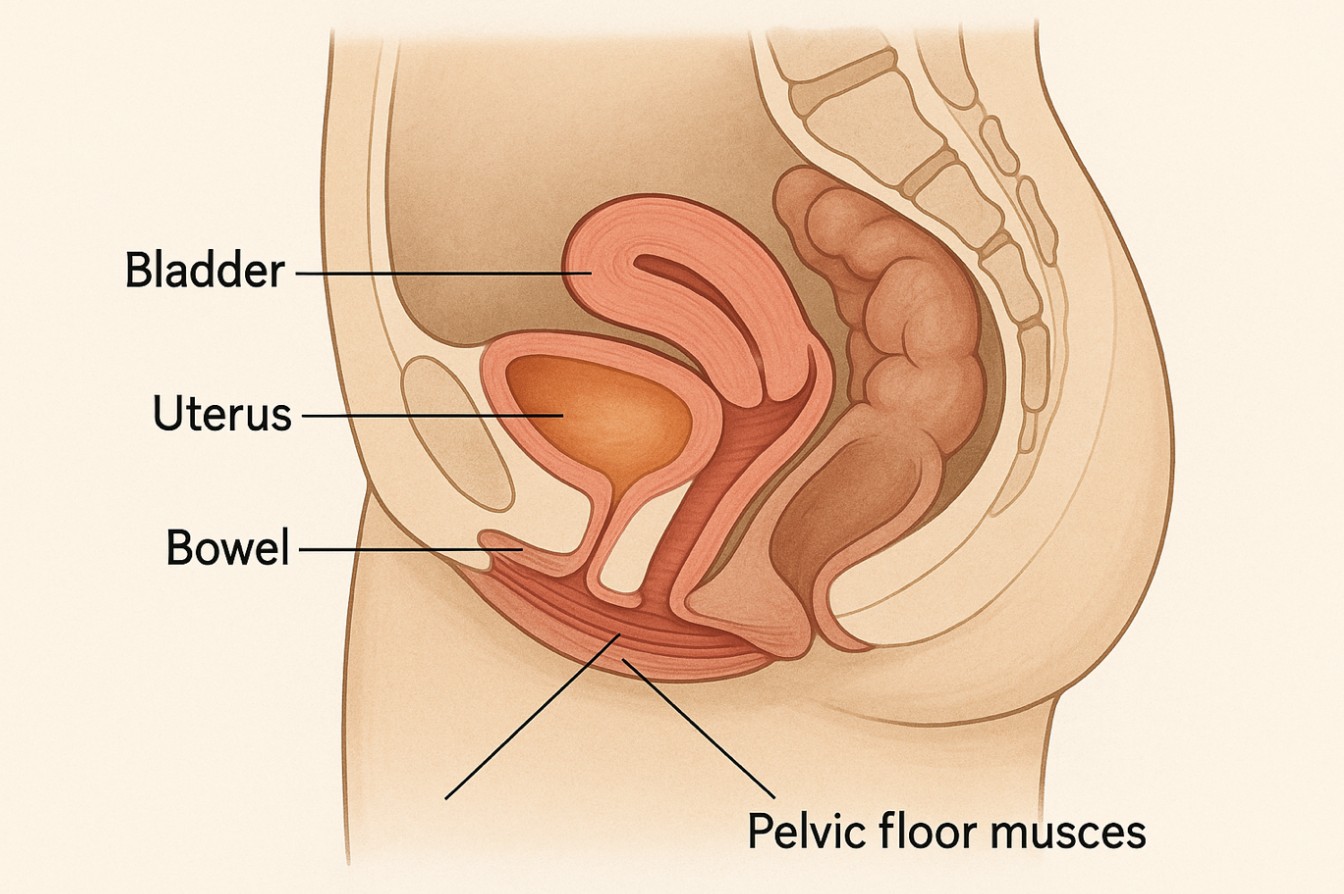
The pelvic floor is a complex network of muscles, fascia, and connective tissue that supports the bladder, uterus, and bowel.
When oestrogen levels drop, these tissues may lose some of their natural strength and elasticity.
The result? Symptoms that can affect comfort, bladder and bowel control, and sexual wellbeing.
How Menopause Can Affect the Pelvic Floor
1. Changes in Muscle Strength and Tissue Health
Reduced oestrogen can make pelvic tissues thinner, drier, and less resilient.
This often leads to pelvic floor weakness, discomfort, and issues such as urinary leakage or difficulty with bowel movements.
2. Pelvic Organ Prolapse
When supportive structures lose tone, the bladder, uterus, or bowel may begin to shift or “prolapse” downward into the vaginal canal.
Many women describe this as a feeling of heaviness, pressure, or bulging in the pelvic region.
More on vaginal & urinary symptoms, from our specialists
One email a month: new articles written by the clinicians you’d see. No spam, unsubscribe anytime.
3. Bladder and Bowel Changes
Hormonal and muscular changes can lead to urinary urgency, leakage, or frequency.
Some may also experience constipation or incomplete emptying, as pelvic floor coordination becomes less efficient.
4. Sexual Health and Comfort
Vaginal dryness, tightness, and reduced blood flow can make intimacy uncomfortable or even painful.
These changes can influence both physical comfort and emotional confidence.
How Pelvic Health Physiotherapy Can Help
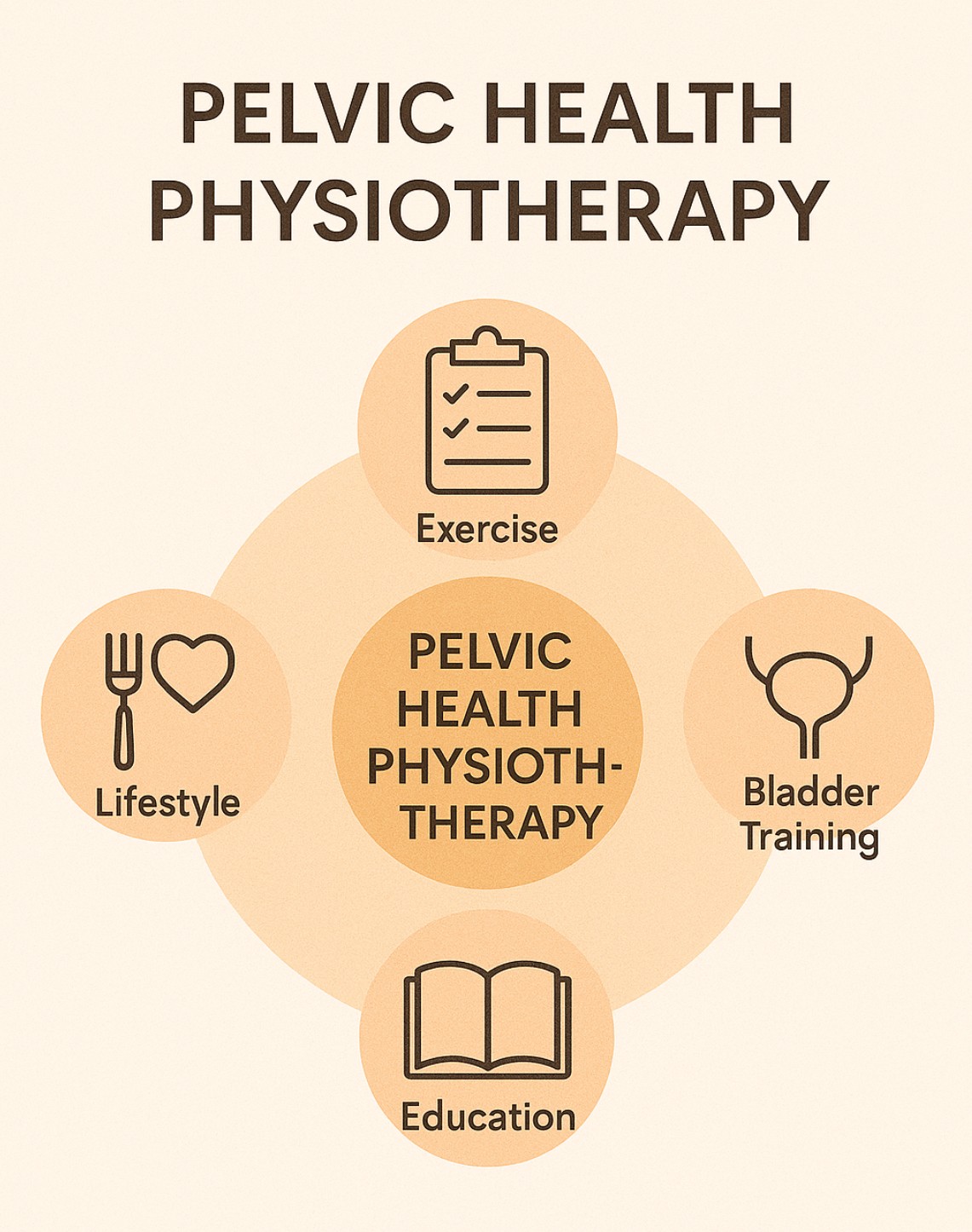
Pelvic health physiotherapy offers evidence-based, personalised care designed to restore function, comfort, and strength.
It’s about helping women — in every stage of menopause — understand their bodies and regain control.
Personalised Assessment
A pelvic health physiotherapist begins with a detailed discussion of your symptoms and goals, followed by a gentle pelvic floor assessment (always with consent).
This helps identify where muscles may be weak, tight, or uncoordinated, forming the foundation of a tailored treatment plan.
Targeted Pelvic Floor Exercises
Beyond traditional “Kegels,” physiotherapists use whole-body strategies that integrate breathing, posture, and core activation to build true pelvic stability and control.
Bladder and Bowel Retraining
Using practical, science-based techniques, many women find they can reduce leakage, ease urgency, and re-train healthy bladder and bowel habits.
Manual Therapy and Soft Tissue Techniques
If muscles are overactive or tense, hands-on release work can help ease discomfort, improve blood flow, and support relaxation and healing.
Education and Lifestyle Support
Pelvic health physiotherapy also empowers you with knowledge and tools, including:
-
Safe, menopause-friendly exercise strategies
-
Posture and movement advice
-
The use of vaginal moisturisers and lubricants
-
Tips for hydration, bowel health, and diet
-
Guidance on when to discuss hormonal support (HRT) or vaginal oestrogen with your GP
Taking Charge of Your Pelvic Health
Menopause — in any form — doesn’t have to mean living with discomfort or loss of confidence.
With the right knowledge and support, you can strengthen your pelvic floor, improve bladder control, and enhance sexual comfort.
Pelvic health physiotherapy offers a safe, effective way to reconnect with your body and restore confidence in everyday life.