
A comprehensive guide to managing menopause symptoms without hormones — including new NK3 receptor antagonists, non-hormonal medications, CBT, lifestyle strategies, and specialist support for breast cancer survivors.
|
Key Takeaways • Not every woman can or wants to use HRT — effective non-hormonal alternatives exist and are expanding rapidly • New NK3 receptor antagonists (fezolinetant and elinzanetant) are now MHRA-approved in the UK — a genuine breakthrough for vasomotor symptom management without hormones, though only available by private prescription at present. • SSRIs, SNRIs, gabapentin, CBT, and lifestyle strategies all have evidence supporting their use for specific menopause symptoms • Breast cancer survivors have particularly limited options — but new evidence, including elinzanetant trials, is changing that picture • A specialist menopause clinician can help you build a personalised, evidence-based treatment plan — with or without hormones |
Why Non-Hormonal Menopause Treatment Matters
Menopause is a universal experience, yet no two women go through it in the same way. While hormone replacement therapy (HRT) remains the gold-standard treatment for vasomotor symptoms such as hot flushes and night sweats, it is not suitable for everyone. Some women have medical contraindications — a history of hormone-sensitive breast cancer, active liver disease, unexplained vaginal bleeding, or an elevated risk of venous thromboembolism. Others simply prefer not to take hormones.
Whatever the reason, the good news is that the landscape of non-hormonal menopause treatment has never been more promising. From NICE-recommended approaches like CBT and well-established medications used off-licence in UK clinical practice, to a genuinely new class of targeted therapies now approved by the MHRA, women today have real, evidence-backed alternatives to HRT that didn’t exist even five years ago.
This guide, written by Dr Chris De Kauwe and reviewed by TMC Health’s clinical team, walks through every major non-hormonal option available in UK practice today. It is designed to help you understand what the evidence says, what to expect in practical terms, and how to have a more informed conversation with your menopause specialist.
Who May Need Non-Hormonal Menopause Treatment?
HRT is effective and, for the majority of women under 60 or within 10 years of their final period, the benefits outweigh the risks. However, there are well-recognised situations where non-hormonal approaches become essential or preferred.
Medical contraindications to systemic HRT — including a personal history of hormone-receptor-positive breast cancer, active venous thromboembolism, severe active liver disease, unexplained vaginal bleeding, or certain cardiovascular conditions.
Women taking tamoxifen or aromatase inhibitors — whose cancer treatments can trigger or worsen menopausal symptoms, yet for whom systemic HRT is generally not recommended. This is a large and growing group: there are approximately 700,000 breast cancer survivors in the UK, many of whom experience significant menopausal symptoms.
Progestogen intolerance — women who experience significant side effects from the progestogen component of combined HRT and have exhausted alternative progestogen formulations, routes, and regimens.
Personal preference — some women, after a full discussion of risks and benefits, choose to manage their symptoms without hormones. This is a valid choice and should be supported with evidence-based alternatives.
Women awaiting risk-reducing surgery — those preparing for bilateral salpingo-oophorectomy (surgical removal of the ovaries) due to genetic risk (such as a BRCA mutation) may face sudden surgical menopause and require non-hormonal options, particularly if their cancer risk also contraindicates HRT.
If you are unsure whether HRT is appropriate for you, a specialist menopause consultation can clarify your individual risk profile and explore all available options — hormonal and non-hormonal. At TMC, Dr De Kauwe and our wider team regularly support women navigating exactly this decision.
Breakthrough: NK3 Receptor Antagonists — A New Era in Non-Hormonal Treatment
The most significant development in non-hormonal menopause care in decades has been the arrival of neurokinin-3 (NK3) receptor antagonists. These drugs represent the first treatments specifically designed to target the biological mechanism behind vasomotor symptoms, without using hormones. They work at the level of the brain, not the ovaries — and that distinction matters.
How do they work?
During menopause, falling oestrogen levels cause overactivity in the brain’s temperature control centre. NK3 receptor antagonists block these signals, calming the thermoregulatory disruption at its source. This is fundamentally different from how SSRIs, gabapentin, or clonidine work: those medications modulate symptoms indirectly through neurotransmitter pathways. NK3 antagonists address the root cause of thermoregulatory instability. That’s why the efficacy data is notably stronger.
Fezolinetant (Veoza)
Fezolinetant was the first NK3 receptor antagonist to receive regulatory approval. It was approved by the MHRA in December 2023 and became available on private prescription in the UK from January 2024. It received FDA approval in the United States in May 2023.
Phase 3 clinical trials (the SKYLIGHT programme, enrolling over 3,000 women) demonstrated that fezolinetant at 45mg once daily reduced the frequency of moderate-to-severe hot flushes by approximately 60% compared with placebo by 12 weeks, with improvements beginning within the first week. Women also reported meaningful improvements in sleep quality. The 52-week SKYLIGHT 4 trial provided reassuring long-term safety data.
Practical points: Fezolinetant is taken as a single daily tablet. It requires liver function monitoring — blood tests before starting, monthly for the first three months, and periodically thereafter. It should be avoided in women with known liver disease or those at higher risk of liver problems.
Cost and access: Fezolinetant is currently only available on private prescription in the UK at a list price of approximately £44.80 per 28-day pack. NICE is reviewing its cost-effectiveness for NHS use, with a decision expected in 2025/2026. It has not been recommended by the Scottish Medicines Consortium for routine NHS use in Scotland.
Elinzanetant (Lynkuet)
Elinzanetant is a dual neurokinin receptor antagonist, targeting both NK1 and NK3 receptors. It received FDA approval in the United States in October 2025 and MHRA approval in the UK. It is currently available on private prescription.
The OASIS Phase 3 trial programme demonstrated a 74% reduction in moderate-to-severe hot flush frequency by week 12. Notably, elinzanetant also showed statistically significant benefits for sleep quality and, in some analyses, mood — which may relate to its dual receptor activity. The side-effect profile included fatigue, headache, and somnolence, but serious adverse events were rare (4.2% in the treatment group, none considered treatment-related).
Why elinzanetant may be particularly important: A trial published in The New England Journal of Medicine showed that elinzanetant significantly reduced hot flushes in women with hormone-receptor-positive breast cancer who were taking anti-oestrogen therapies. This is a group with very few effective treatment options and often the most severe vasomotor symptoms. The dual receptor mechanism may also make elinzanetant more suitable for women whose primary complaint is disrupted sleep, given its tendency to promote sleepiness.
Choosing between fezolinetant and elinzanetant
Both drugs target the NK3 receptor pathway, but there are clinically relevant differences that may guide individual treatment decisions:
- Elinzanetant’s dual action (NK1 and NK3) may offer advantages for sleep disturbance and mood, alongside hot flush reduction.
- Fezolinetant has a longer track record of clinical use (approved since 2023) and more published long-term safety data (52-week SKYLIGHT 4 trial).
- Liver monitoring is required for fezolinetant (monthly for first 3 months, then periodically). The monitoring requirements for elinzanetant are evolving.
- Neither drug replaces oestrogen. They do not address the broader consequences of oestrogen deficiency (bone loss, cardiovascular risk, localised genitourinary symptoms alsp known as vaginal atrophy). These must be managed through other means.
A menopause specialist can help you weigh up which NK3 antagonist may be more suitable based on your symptoms, medical history, and priorities.
What’s next: Emerging therapies on the horizon
Cendifensine, currently in Phase 2 trials, takes a different approach by acting on the monoamine system. Early data suggest reductions in hot flush frequency exceeding 80% within weeks, with potential additional benefits for mood and appetite. If confirmed in larger trials, this could further expand the non-hormonal toolkit.
Non-Hormonal Pharmacological Treatments: At a Glance
The table below summarises the main non-hormonal medications used for vasomotor symptoms (VMS) in UK clinical practice, including both newly approved treatments and established off-licence options.
| Treatment | Class | Key Evidence | Common Side Effects | UK Status |
| Fezolinetant (Veoza) | NK3 receptor antagonist | Phase 3 (SKYLIGHT): ~60% reduction in VMS frequency vs placebo; improvements in sleep quality | Headache, abdominal pain; liver enzyme monitoring required | MHRA-approved Dec 2023; private prescription; NICE review pending |
| Elinzanetant (Lynkuet) | Dual NK1/NK3 receptor antagonist | Phase 3 (OASIS): ~74% reduction in moderate-to-severe VMS by week 12; sleep and mood benefits | Fatigue, headache, somnolence | MHRA-approved 2025; private prescription |
| Venlafaxine | SNRI | RCTs: 25–69% reduction in VMS; also improves mood and sleep; preferred for breast cancer patients on tamoxifen | Nausea, dry mouth, dizziness, reduced libido | Off-licence; widely prescribed |
| Citalopram / Sertraline | SSRI | RCTs: modest VMS reduction; ancillary mood benefits | Nausea, headache, sexual dysfunction | Off-licence; avoid paroxetine/fluoxetine with tamoxifen |
| Gabapentin | Anticonvulsant | RCTs: effective for VMS; particularly helpful at night for sleep | Drowsiness, dizziness, weight gain | Off-licence; controlled drug |
| Clonidine | Alpha-2 agonist | Limited evidence; modest efficacy vs placebo; only non-hormonal drug licensed for VMS in UK | Dry mouth, drowsiness, dizziness, sleep disturbance | Licensed for VMS in UK |
| Oxybutynin | Anticholinergic | NAMS-recommended (Levels I–II); emerging evidence for VMS reduction | Dry mouth, constipation, urinary retention | Off-licence |
VMS = vasomotor symptoms; NK3 = neurokinin-3; SSRI = selective serotonin reuptake inhibitor; SNRI = serotonin-norepinephrine reuptake inhibitor; NAMS = North American Menopause Society, RCTs = randomised controlled trials. Table compiled from BMS, NICE, and NAMS guidance.
Not sure which of these options might suit your situation? A menopause specialist consultation can help you navigate the choices above based on your symptoms, medical history, and preferences. Our clinicians at TMC Health regularly support women through exactly this decision.
Established Non-Hormonal Medications for Menopause
SSRIs and SNRIs
Selective serotonin reuptake inhibitors (SSRIs) and serotonin-norepinephrine reuptake inhibitors (SNRIs) have been used off-licence for vasomotor symptoms for over two decades. Randomised trials report reductions in hot flush frequency ranging from 25% to 69%, depending on the specific drug, dose, and study population.
Venlafaxine (an SNRI) is among the most commonly prescribed in UK menopause practice and has the strongest evidence base in this class. At 75mg daily, studies show significant reductions in hot flushes alongside improvements in fatigue, mental health, and sleep. The BMS consensus statement identifies venlafaxine as the preferred option for women with breast cancer who are taking tamoxifen, because it does not significantly interact with tamoxifen metabolism.
Citalopram and sertraline are also used. Importantly, paroxetine and fluoxetine should be avoided in women taking tamoxifen, as they inhibit the CYP2D6 enzyme needed to metabolise tamoxifen into its active form — potentially reducing the effectiveness of cancer treatment.
Beyond hot flushes, SSRIs and SNRIs may offer ancillary benefits for menopause-related mood disturbance, anxiety, and sleep — which makes them particularly useful for women experiencing overlapping symptoms. However, they can also cause side effects including nausea, reduced libido, and difficulty with orgasm, which need to be weighed against the benefits.
It is important to distinguish between prescribing an antidepressant at a low dose specifically for vasomotor symptoms and treating clinical depression. NICE guidance is clear that antidepressants should not be offered as a first-line treatment for low mood caused by menopause — HRT or CBT are preferred for that indication. If your GP has offered an antidepressant for menopausal symptoms without first discussing HRT or CBT, it may be worth seeking a second opinion from a menopause specialist.
Gabapentin and pregabalin
Originally developed for epilepsy, gabapentin has demonstrated efficacy for hot flushes in multiple randomised controlled trials. It is particularly useful as an evening dose, where its sedative properties can also help with menopause-related sleep disturbance. Common side effects include drowsiness, dizziness, and weight gain. Both gabapentin and pregabalin are controlled drugs in the UK and are prescribed off-licence for vasomotor symptoms.
Pregabalin is less well studied for menopause specifically, but the BMS and NAMS both include it among non-hormonal pharmacological options. It may be considered where gabapentin is not tolerated.
Clonidine
Clonidine is a non-hormonal medication licensed specifically for vasomotor symptoms in the UK, which sometimes gives it undue prominence despite relatively modest evidence. Its efficacy is limited compared with other options, and side effects — including dry mouth, drowsiness, and sleep disturbance (affecting up to 50% of users at higher doses) — can limit its tolerability. It must also be withdrawn gradually, as sudden discontinuation can cause rebound hypertension. It remains an option where other treatments are unsuitable, but it is rarely a first choice in specialist practice.
Oxybutynin
Oxybutynin, an anticholinergic medication more commonly associated with overactive bladder, has emerging evidence for hot flush reduction and is listed among NAMS-recommended treatments (Levels I–II evidence). For women experiencing both vasomotor symptoms and overactive bladder symptoms, it may address two problems simultaneously. However, anticholinergic side effects such as dry mouth, constipation, and cognitive effects require careful consideration, particularly in older women.
More on menopause, from our specialists
One email a month: new articles written by the clinicians you’d see. No spam, unsubscribe anytime.
Menopause After Breast Cancer: A Special Focus
Managing menopause symptoms after breast cancer is one of the most challenging areas of clinical practice. Both women with hormone receptor negative and positive cancer face a risk of recurrence and therefore HRT is often not advised. Women who have been treated for hormone-receptor-positive breast cancer face a particularly difficult situation: their cancer treatment (tamoxifen or aromatase inhibitors) actively blocks or reduces oestrogen, which can trigger or significantly worsen menopausal symptoms — yet systemic HRT is generally not recommended because of the theoretical risk of cancer recurrence.
The result is that breast cancer survivors often experience the most severe menopausal symptoms with the fewest treatment options. Hot flushes caused by tamoxifen can be more intense and more frequent than those occurring during natural menopause. Sleep disruption, mood changes, joint pain, and vaginal symptoms can have a profound impact on quality of life and, in some cases, lead women to discontinue their cancer treatment prematurely.
What are the options?
The BMS, NICE, and NAMS all provide specific guidance for this group:
- Venlafaxine is the preferred pharmacological option for hot flushes in breast cancer patients taking tamoxifen, as it does not significantly interfere with tamoxifen metabolism.
- Gabapentin and pregabalin are also recommended by NICE CG80 and are safe to use alongside cancer treatments.
- Clonidine is recommended by NICE CG80, though its efficacy is limited.
- CBT has been specifically tested in breast cancer patients and shown to reduce the distress and functional impact of hot flushes.
- NK3 receptor antagonists — Elinzanetant has been specifically trialled in women with hormone-receptor-positive breast cancer and showed significant hot flush reductions. Fezolinetant is not currently licensed for this group, as safety data in breast cancer populations is not yet available.
What to avoid: Isoflavones, red clover, black cohosh, and soy supplements are not recommended for women with a history of breast cancer, as they have oestrogenic properties and their safety in hormone-sensitive tissues is unproven. St John’s Wort is specifically contraindicated because of serious drug interactions with tamoxifen, anticoagulants, and other medications.
Vaginal symptoms after breast cancer
Vaginal dryness and discomfort (genitourinary syndrome of menopause) can be particularly challenging for breast cancer survivors. Non-hormonal vaginal moisturisers and lubricants are the first-line approach. Where these are insufficient, low-dose vaginal oestrogen (pessaries or rings) may be considered: these deliver very small amounts of oestrogen locally with minimal systemic absorption. The BMS states that vaginal oestrogen can be used by breast cancer survivors if non-hormonal treatments have not worked, though this should ideally be discussed with the breast oncology team, particularly for women on aromatase inhibitors.
The importance of specialist support
If you are a breast cancer survivor experiencing menopausal symptoms, specialist menopause care is particularly important. Decisions about treatment should ideally be made in collaboration between your menopause clinician and your breast oncology team. At TMC, we regularly support women in exactly this situation and can liaise with your cancer team to ensure your care is coordinated.
| Breast Cancer and Menopause Support
If you’re struggling with menopause symptoms during or after cancer treatment, our specialists can help you find safe, effective options. Book a consultation at tmchealth.co.uk |
Managing Vaginal Symptoms Without Systemic Hormones
Vulvovaginal atrophy — now more broadly termed genitourinary syndrome of menopause (GSM) — affects up to 50% of postmenopausal women, causing vaginal dryness, irritation, discomfort during sex, and urinary symptoms. Unlike hot flushes, which may improve over time, GSM tends to worsen progressively without treatment.
Vaginal oestrogen (applied locally as a cream, pessary, or ring) remains the most effective treatment and carries minimal systemic absorption. It is considered safe for most women, including many with a history of breast cancer, though individual risk assessment is recommended.
Ospemifene is a non-hormonal tablet which is an oestrogen receptor modulator. It acts like oestrogen in the vaginal tissue, helping improve moisture and thickness of the vaginal lining, without the need for topical oestrogen therapy.
For women who prefer to avoid all forms of oestrogen, the following non-hormonal options can help:
- Vaginal moisturisers (e.g. Replens, YES VM) — applied regularly (2–3 times per week) to restore and maintain vaginal moisture. These are first-line for women avoiding oestrogen. They are available without prescription from pharmacies.
- Water-based lubricants — used during sexual activity to reduce friction and discomfort. Avoid products containing glycerin or parabens, which can cause irritation. Oil-based lubricants should not be used with condoms.
- Hyaluronic acid preparations — available as vaginal gels, these have some evidence for improving vaginal moisture and are hormone-free.
- Energy-based therapies (vaginal laser, radiofrequency) — these are marketed for vaginal rejuvenation but currently lack sufficient long-term evidence for efficacy. NICE does not recommend them for routine clinical use. A randomised trial comparing fractional CO2 laser with sham treatment found no significant benefit at one year.
If vaginal dryness is significantly affecting your quality of life or sexual health, a specialist can discuss the full range of options including whether low-dose vaginal oestrogen might be safe for your individual circumstances.
Protecting Bone Health Without HRT
Bone density declines rapidly in the years around menopause due to falling oestrogen levels. Without intervention, this can lead to osteopenia, osteoporosis, and an increased risk of fractures — particularly of the hip, spine, and wrist. HRT is highly effective at preventing postmenopausal bone loss, so women who cannot use it need alternative strategies.
Lifestyle foundations
- Weight-bearing and resistance exercise — walking, running, dancing, and strength training all stimulate bone formation.
- Calcium and vitamin D — adequate calcium intake (around 700–1200mg daily, ideally from dietary sources) and vitamin D supplementation (at least 10 micrograms/400IU daily in the UK) are essential for bone maintenance.
- Fall prevention — balance exercises and home safety measures become increasingly important with age.
Pharmacological bone protection
For women diagnosed with osteopenia or osteoporosis who are not taking HRT, specific bone-protection medications may be indicated:
- Bisphosphonates (e.g. alendronate, risedronate) — the most commonly prescribed medications for osteoporosis prevention and treatment. They slow bone breakdown and reduce fracture risk.
- Denosumab — a six-monthly injection that inhibits bone resorption. Often used where bisphosphonates are not tolerated.
Your menopause specialist or GP can arrange a DEXA bone density scan to assess your individual risk and determine whether bone-protection treatment is needed.
Lifestyle Strategies: The Foundation of Menopause Care
Regardless of whether you use hormonal or non-hormonal treatments, lifestyle interventions form the foundation of long-term menopause health. They will not eliminate hot flushes entirely, but they play a critical role in managing the broader health risks that emerge during and after the menopause transition — including cardiovascular disease, osteoporosis, metabolic syndrome, and cognitive decline.
Exercise
Weight-bearing and resistance exercise as discussed protects bone density. Regular physical activity also supports cardiovascular health, helps manage weight, improves mood, and may modestly reduce both hot flush frequency and night sweats. The NAMS position statement (2023) notes that while exercise alone is not sufficient to treat vasomotor symptoms, weight loss achieved through exercise has been shown to reduce their severity. Current guidance recommends at least 150 minutes of moderate-intensity activity per week, including two sessions of strength or resistance training.
Diet and weight management
A Mediterranean-style eating pattern — rich in vegetables, fruit, wholegrains, oily fish, nuts, and olive oil — is consistently associated with reduced cardiovascular risk and improved metabolic health in postmenopausal women. Maintaining a healthy weight is particularly important: excess body fat can worsen vasomotor symptoms and increases the risk of type 2 diabetes and certain cancers. NAMS classifies weight loss as a recommended intervention for vasomotor symptoms (Levels II–III evidence), noting that even modest weight loss of 5–10% of body weight has been shown to reduce hot flush severity.
Smoking cessation and alcohol reduction
Smoking is associated with earlier onset of menopause, more severe hot flushes, and significantly increased cardiovascular and osteoporosis risk. Reducing alcohol intake supports better sleep, improved mood stability, and lower cancer risk. Both are foundational to any menopause management plan.
Sleep hygiene
Sleep disruption is one of the most common and impactful menopause symptoms, affecting both quality of life and cognitive function. Practical sleep hygiene measures — consistent bedtime routines, a cool and dark bedroom, limiting caffeine after midday, and reducing screen time in the evening — can make a meaningful difference, particularly when combined with other treatments such as CBT or gabapentin.
Stress management
Chronic stress can amplify vasomotor symptoms and worsen mood disturbance. Regular stress-reduction practices — whether mindfulness, yoga, walking in nature, or other approaches that suit you — support overall wellbeing during the menopause transition. While mindfulness-based interventions have not shown robust evidence for reducing hot flush frequency specifically, they may improve the overall experience of symptoms and support mental health.
Psychological and Behavioural Therapies
Cognitive Behavioural Therapy (CBT)
CBT is recommended by NICE as a treatment option for menopause-related anxiety, low mood, and vasomotor symptoms. It does not reduce the physiological frequency of hot flushes, but it can significantly reduce the distress, sleep disruption, and functional impairment they cause. Some women also find CBT helpful for managing the brain fog and difficulty concentrating that can accompany menopause. In effect, CBT helps you change your relationship with your symptoms — reducing avoidance behaviours, catastrophic thinking, and the impact hot flushes have on your daily life.
CBT for menopause has been tested in clinical trials both for women going through natural menopause and for breast cancer patients experiencing treatment-induced menopause. Both groups showed meaningful improvements. Programmes are available through NHS Talking Therapies (formerly IAPT), private therapists, and self-help resources such as Professor Myra Hunter’s evidence-based CBT workbooks (Managing Hot Flushes and Night Sweats and Living Well Through the Menopause). At TMC, our systemic psychotherapist can also support women dealing with the emotional and relational impact of menopause.
Clinical hypnosis
NAMS includes clinical hypnosis among its recommended non-hormonal treatments for vasomotor symptoms (Level I evidence). Studies suggest it can reduce hot flush frequency and severity, as well as improving sleep and reducing anxiety. Clinical hypnosis for menopause should be delivered by a trained practitioner and is distinct from stage hypnosis. While it is not widely available through the NHS, it is offered by some specialist services.
Yoga and mind-body practices
Yoga may offer modest benefits for vasomotor symptoms and is well supported for improving mood, reducing anxiety, and supporting sleep. NAMS notes that the evidence for yoga specifically reducing hot flush frequency is limited (Level II), but its broader benefits for physical and emotional wellbeing during menopause are well recognised. Tai chi offers similar benefits for balance, mobility, and relaxation.
Acupuncture and complementary therapies
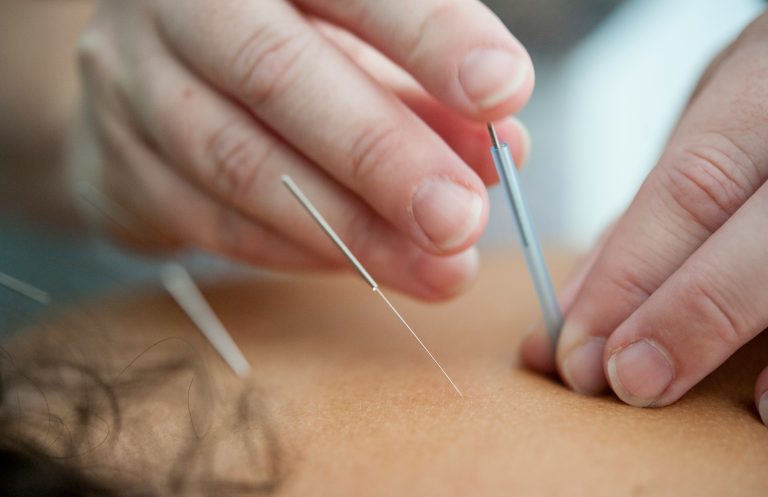
Despite widespread use, the evidence for acupuncture as a treatment for vasomotor symptoms remains mixed. Several systematic reviews have found no consistent benefit beyond sham (placebo) acupuncture. Similarly, herbal preparations such as black cohosh, red clover, and St John’s Wort have limited and inconsistent evidence. Importantly, St John’s Wort can cause serious drug interactions (including with tamoxifen, anticoagulants, oral contraceptives, and antidepressants) and should not be used without medical advice. The BMS notes that while some individual women may derive benefit from complementary approaches, the placebo response in menopause studies can be significant (20–66%), and clinicians should help patients focus on treatments with proven efficacy.
When to See a Menopause Specialist
Many women manage their menopause symptoms effectively with their GP. However, there are situations where specialist menopause care can make a significant difference:
- You have contraindications to HRT and need help navigating non-hormonal options.
- You have a history of breast cancer or another hormone-sensitive cancer and need treatment decisions coordinated with your oncology team.
- You have tried one or more treatments that haven’t worked and want a comprehensive review of your options.
- Your GP has offered antidepressants for menopausal symptoms without first discussing HRT or CBT, and you want to explore whether those may be more appropriate.
- You are experiencing complex or overlapping symptoms (e.g. severe vasomotor symptoms, mood disturbance, vaginal symptoms, and bone health concerns simultaneously).
- You have premature ovarian insufficiency (menopause before 40) or early menopause (before 45), which carries additional long-term health implications.
- You want a personalised treatment plan that considers your full medical history, your priorities, and the latest evidence.
At TMC Health, our clinicians are BMS-recognised menopause specialists with training in both hormonal and non-hormonal management. We offer both in-person consultations (London Harley Street Aberdeen, Glasgow, Newcastle, Nottingham, Grantham, and Dundee) and online video consultations for women across the UK.
Bringing It All Together: Personalised, Evidence-Based Care
Menopause management is not a one-size-fits-all decision. The best approach depends on your symptoms, your medical history, your personal preferences, and how your body responds to treatment. For many women, the most effective strategy combines more than one approach: a non-hormonal medication for hot flushes, CBT for sleep and mood, lifestyle changes for long-term cardiovascular and bone health, specialist support for vaginal symptoms, and ongoing review as new treatments become available.
What matters most is that you have access to accurate, evidence-based information and a clinician who can help you navigate the alternatives to HRT now available. The days of “just put up with it” are over. Non-hormonal menopause care has never had more to offer.
| About the Author
Dr Chris De Kauwe — GP, MBChB, MRCGP, Women’s Health Specialist, Registered BMS Menopause Specialist, Member of NAPS Dr De Kauwe is an experienced GP (MBChB, MRCGP) and BMS-recognised menopause specialist who leads the menopause service at his GP practice and heads TMC Health clinic in London (Harley Street). He trained under Dr Vikram Talaulikar at UCLH London, has extensive clinical experience supporting women through complex menopause management, and regularly presents to fellow clinicians on best practices. His holistic, patient-centred approach ensures every woman feels supported and confident in her care. |
Frequently Asked Questions
Below are answers to the questions we are most often asked about non-hormonal menopause treatment. If your question is not covered here, our specialists are happy to discuss your individual situation during a consultation.
What is the new non-hormonal treatment for menopause?
The most significant recent development is a new class of drugs called NK3 receptor antagonists. Two are now approved in the UK: fezolinetant (brand name Veoza), approved by the MHRA in December 2023, and elinzanetant (brand name Lynkuet), approved in 2025. Both are available on private prescription.
Unlike older non-hormonal treatments that work indirectly, these drugs specifically target the brain pathway responsible for hot flushes. In clinical trials, fezolinetant reduced hot flush frequency by approximately 60% and elinzanetant by approximately 74%. Elinzanetant has also been trialled specifically in breast cancer patients with promising results. A third drug, cendifensine, is currently in Phase 2 trials and may offer further options in the coming years.
What are the alternatives to oestrogen for menopause?
There are several categories of alternatives to HRT/MHT for managing menopause symptoms:
Prescription medications: NK3 receptor antagonists (fezolinetant, elinzanetant), SSRIs and SNRIs (e.g. venlafaxine, citalopram, sertraline), gabapentin, clonidine, and oxybutynin — all of which have evidence for reducing hot flushes.
Psychological therapies: CBT is NICE-recommended for menopause-related anxiety, low mood, and the distress caused by hot flushes and sleep disruption.
Lifestyle strategies: Exercise, Mediterranean-style diet, weight management, sleep hygiene, and stress reduction all support symptom management and long-term health.
For vaginal symptoms: Non-hormonal vaginal moisturisers and lubricants. Low-dose vaginal oestrogen (which is different from systemic HRT) is also an option for many women, including some breast cancer survivors.
What is the safest treatment for menopause?
Safety depends entirely on your individual medical history, and there is no single “safest” treatment for everyone. For the majority of women under 60 or within 10 years of their last period, HRT is both safe and effective — the benefits typically outweigh the risks when properly prescribed.
For women who cannot take HRT (for example, after hormone-sensitive breast cancer), the safest options are those with the best-studied side-effect profiles for your specific situation. Venlafaxine and gabapentin have decades of use. The new NK3 receptor antagonists have strong Phase 3 safety data, though longer-term post-marketing data is still accumulating. CBT and lifestyle interventions carry essentially no medical risk.
The key is an individualised risk-benefit assessment with a clinician who understands both your medical history and the full range of options. That is exactly what a menopause specialist consultation provides.
Can I go through menopause without hormone replacement therapy?
Yes, absolutely. Many women manage menopause successfully without HRT. Some have mild symptoms that respond well to lifestyle changes alone. Others use non-hormonal medications, CBT, or a combination of approaches to manage more significant symptoms.
It is important, however, to understand that menopause is not just about hot flushes. Oestrogen deficiency has long-term implications for bone density, cardiovascular health, and urogenital health. If you choose not to use HRT, these risks should still be monitored and managed — for example, with bone density screening, cardiovascular risk assessment, and non-hormonal bone-protection medication if needed. A menopause specialist can ensure nothing is missed.
What do gynaecologists and menopause specialists recommend for menopause?
UK menopause specialists and gynaecologists follow guidance from NICE, the British Menopause Society (BMS), and the North American Menopause Society (NAMS). The core recommendations are:
HRT remains the most effective treatment for vasomotor symptoms and should be offered to symptomatic women with no contraindications. For women who cannot or choose not to use HRT, recommended non-hormonal options include NK3 receptor antagonists, SSRIs/SNRIs (particularly venlafaxine), gabapentin, and CBT. Lifestyle interventions — regular exercise, healthy diet, weight management, and sleep hygiene — are recommended for all women going through menopause, regardless of other treatments. Specialist referral is advised for complex cases, including women with breast cancer, premature ovarian insufficiency, or symptoms that have not responded to initial treatment.
Can you naturally replace oestrogen without HRT?
It is important to be clear: no food, supplement, or lifestyle change can “replace” oestrogen in the way that HRT does. However, some approaches may offer modest support for specific symptoms.
Phytoestrogens (plant compounds found in soy, chickpeas, lentils, and flaxseed) have weak oestrogenic activity. Some studies suggest that diets rich in these foods may slightly reduce hot flush frequency, but the evidence is inconsistent and the effect is modest compared with medication. Phytoestrogen supplements are not recommended for women with a history of hormone-sensitive cancer.
A Mediterranean-style diet, regular exercise, and weight management support overall health and can reduce the severity of some menopause symptoms. But if your symptoms are moderate to severe, evidence-based treatments — whether HRT or non-hormonal medications — are likely to be far more effective than dietary changes alone.
What happens if menopause symptoms are left untreated?
Menopause itself is a natural transition, not a disease, and many women experience mild symptoms that resolve over time. However, oestrogen deficiency has effects beyond hot flushes that can have significant long-term consequences if not addressed:
Bone health: Bone density declines rapidly in the years around menopause, increasing fracture risk. This is progressive and does not reverse without intervention.
Cardiovascular health: Oestrogen has a protective effect on the cardiovascular system often referred to as the “Window of Opportunity”: The protective effects are most evident when treatment is started shortly after the final menstrual period (often defined as <10 years post-menopause or under age 60).
Vaginal and urinary health: Genitourinary syndrome of menopause (vaginal dryness, discomfort, urinary symptoms) tends to worsen over time without treatment.
Cognitive and mood effects: Some women experience brain fog, difficulty concentrating, and mood changes. The relationship between oestrogen deficiency and long-term cognitive health is an active area of research.
Even if you choose not to use HRT, it is important to monitor these areas and address them through lifestyle, non-hormonal treatments, and appropriate screening. A menopause specialist can help you create a proactive plan.
Are non-hormonal menopause treatments available on the NHS?
Some are. Clonidine is the only non-hormonal drug licensed for vasomotor symptoms in the UK and is available on NHS prescription. SSRIs, SNRIs, and gabapentin can be prescribed off-licence by your GP. CBT is available through NHS Talking Therapies (you can self-refer without a GP appointment). The new NK3 receptor antagonists (fezolinetant and elinzanetant) are currently only available on private prescription in the UK. NICE is reviewing fezolinetant for potential NHS use, with a decision expected in 2025/2026.
Can breast cancer survivors take non-hormonal menopause medication?
Yes. Several non-hormonal options are specifically recommended for breast cancer survivors. Venlafaxine is the preferred SSRI/SNRI for women taking tamoxifen because it does not interfere with tamoxifen metabolism. Gabapentin and clonidine are also recommended by NICE for this group. CBT has been tested and shown to be effective in breast cancer patients.
Elinzanetant has been specifically trialled in women with hormone-receptor-positive breast cancer and showed significant benefits. Paroxetine and fluoxetine should be avoided in women on tamoxifen. Herbal supplements (black cohosh, red clover, isoflavones) are not recommended for breast cancer survivors due to their oestrogenic properties.
How quickly do non-hormonal treatments start working?
It varies by treatment. NK3 receptor antagonists (fezolinetant, elinzanetant) can begin reducing hot flush frequency within the first week, with full effect typically seen by 4–12 weeks. SSRIs and SNRIs usually take 2–4 weeks to show benefit. Gabapentin can provide some relief within days, particularly for nighttime symptoms. CBT programmes are typically 6–8 sessions over several weeks, with benefits often lasting long after the programme ends. If you do not notice an improvement after 2–4 weeks of using a medication, speak to your prescribing clinician — you may need a dose adjustment or a different treatment.
About TMC UK
TMC provides specialist, evidence-based menopause care across multiple UK clinics and online. Our menopause-trained clinicians offer:
- Comprehensive symptom assessment
- Individualised MHT prescribing
- Complex case management
- Second opinions
- Holistic support for all aspects of hormonal health
We believe every woman deserves access to high-quality, personalised menopause care based on the latest medical evidence – not wellness myths.
Book an appointment | Find your nearest clinic
Sources and Further Reading
This article draws on guidance and evidence from the following sources. All recommendations reflect the state of UK clinical practice as of March 2026.
British Menopause Society (BMS). Consensus Statement: Non-hormonal-based treatments for menopausal symptoms. Reviewed November 2025.
British Menopause Society (BMS). Consensus Statement: Management of symptoms after breast cancer. September 2025.
National Institute for Health and Care Excellence (NICE). Menopause: diagnosis and management (NG23). Updated 2015.
NICE. Draft guidance consultation: Fezolinetant for treating moderate to severe vasomotor symptoms caused by menopause. March 2025.
North American Menopause Society (NAMS). 2023 Nonhormone Therapy Position Statement. Menopause. 2023;30(6):573–590.
MHRA Drug Safety Update. Fezolinetant (Veoza): risk of liver injury; new recommendations. April 2025.
Panay N, Joffe H, Maki PM, et al. Elinzanetant for the Treatment of Vasomotor Symptoms Associated With Menopause. JAMA Intern Med. 2025;185(11):1319–1327.
Huang AJ. Nonhormonal Treatment of Menopausal Vasomotor Symptoms. JAMA Intern Med. 2025;185(7):874–875.
Royal College of Obstetricians and Gynaecologists (RCOG). Scientific Impact Paper No. 6: Alternatives to HRT for the Management of Symptoms of the Menopause.
Women’s Health Concern / British Menopause Society. Complementary & Alternative Therapies factsheet. November 2025.
NHS. Menopause — Treatment. nhs.uk. Accessed March 2026.