




Menopause
The average age of menopause in the UK is 51 — but the symptoms usually start years earlier and the decisions last years beyond. Specialist care means an honest, current account of your options, and a plan built around your history rather than a queue.
See a GP if you have bleeding after the menopause
- it has only happened once
- there is only a small amount of blood, spotting, or pink or brown discharge
- you do not have any other symptoms
- you are not sure whether it is blood
Bleeding after the menopause is not usually serious, but it can be a sign of cancer. Cancer is easier to treat when it is found early, so it should always be checked.
What's actually happening
Menopause is the point twelve months after your final period — reached at an average age of 51 in the UK. The transition around it is driven by falling and fluctuating oestrogen, and because oestrogen acts on the brain, bones, skin, joints, bladder and blood vessels, symptoms surface in places nobody warns you about: memory, mood, sleep, joints, bladder, sex.
You may have seen lists of “34 symptoms of menopause” circulating online. The exact number is folklore, but the underlying truth is real: the reach of oestrogen means the symptom list is long, varied, and different for every woman — and that breadth is precisely why menopause gets mislabelled as stress, depression or ageing. The pattern across symptoms, not any single one, is the diagnosis.
Do you need tests to diagnose it?
Usually not. Over 45, menopause and perimenopause are diagnosed on symptoms and cycle pattern; hormone levels swing so much day to day that a single blood test can mislead in either direction. Under 45 the calculus changes — and under 40, testing becomes essential to assess for premature ovarian insufficiency, which is a different diagnosis with different stakes.
Where blood tests do earn their place is in excluding mimics — thyroid disease, low iron, vitamin D deficiency — and we test precisely when it changes the answer, not as a ritual.
HRT: what the evidence actually says
Hormone replacement therapy is the most effective treatment for menopausal symptoms, and for most healthy women who start under 60 or within ten years of menopause, current evidence shows the benefits outweigh the risks. Modern practice differs sharply from the regimes behind the frightening headlines of twenty years ago: today’s default is body-identical — oestrogen through the skin (no added clot risk from patches or gel) with micronised progesterone where needed.
Breast cancer risk is the question most women arrive with, and it deserves numbers rather than mood music — our evidence review, HRT and breast cancer risk, walks through them. The short version: for most women the absolute risks are small, modifiable by regime choice, and they sit alongside benefits — symptom relief, bone protection — that the headlines never priced in. What you’re owed is that calculation for your history, which is what a 45-minute consultation exists to do.
Beyond HRT — and alongside it
Good menopause care is wider than one prescription. There are evidence-based non-hormonal treatments for flushes and mood where HRT isn’t wanted or advisable; CBT has genuine trial evidence for menopausal symptoms; testosterone has a specialist place for libido that persists despite optimised HRT. Supplements are a £-billion industry with thin evidence — before buying, it’s worth understanding which few have any data and which are marketing.
And the quiet transformer: local vaginal oestrogen for genitourinary symptoms — safe for almost all women, including many who can’t take systemic HRT, and life-changing for symptoms too often endured in silence.
The rest of the picture: sleep, alcohol, cortisol, bones
Menopause interacts with everything else your body is doing. Alcohol tolerance genuinely changes — the same glass now costs more sleep and a rougher morning (why, and what to do). Chronic stress and disturbed sleep push cortisol patterns that amplify flushes, weight change and anxiety. And silently, bone loss accelerates in the years after the final period — the window when protective habits and, where appropriate, HRT do most for your long-term bone health.
A good plan touches all of it in proportion — which is why ours are written, personalised, and reviewed at every follow-up.
What seeing a menopause specialist looks like
Forty-five minutes with a BMS-registered specialist: your full history, your symptoms mapped properly, an honest discussion of options with numbers attached, and a written plan — including a letter to your GP and a prescription where appropriate. Follow-up is with the same clinician, because dose-tuning by someone who knows your story is half the value.
In person at our UK clinics or by video nationwide — and you don’t need a diagnosis, or the right words for what you’re experiencing, before you book.
Sound familiar?
Our specialists assess and treat menopause at 8 UK clinics and online.
How we treat it
- Specialist consultation 45 minutes with a BMS-registered specialist: full history, honest risk-benefit numbers, written plan, GP letter. About consultations
- Body-identical HRT Transdermal oestrogen and micronised progesterone regimes tailored to your history — reviewed and adjusted at follow-up. About consultations
- Blood tests & diagnostics Targeted testing where it changes the answer — thyroid, iron, vitamin D. Menopause itself is a clinical diagnosis. About blood tests & diagnostics
- Whole-person support Psychotherapy, physiotherapy and women's health checks — because menopause care is wider than hormones. About women's health checks
Specialists in this area
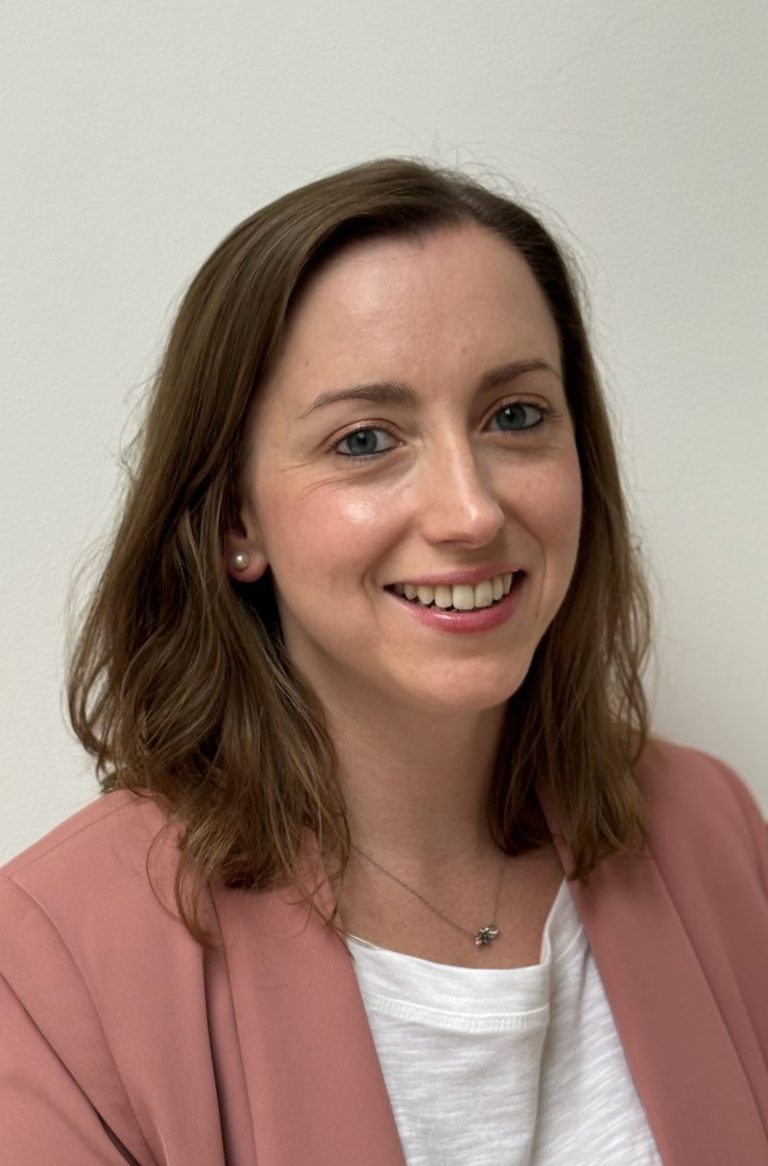
Dr Natasha Davidson
Clinical Lead Director UK
BMBS · MRCGP
- Menopause
- Perimenopause
- Vaginal & urinary symptoms
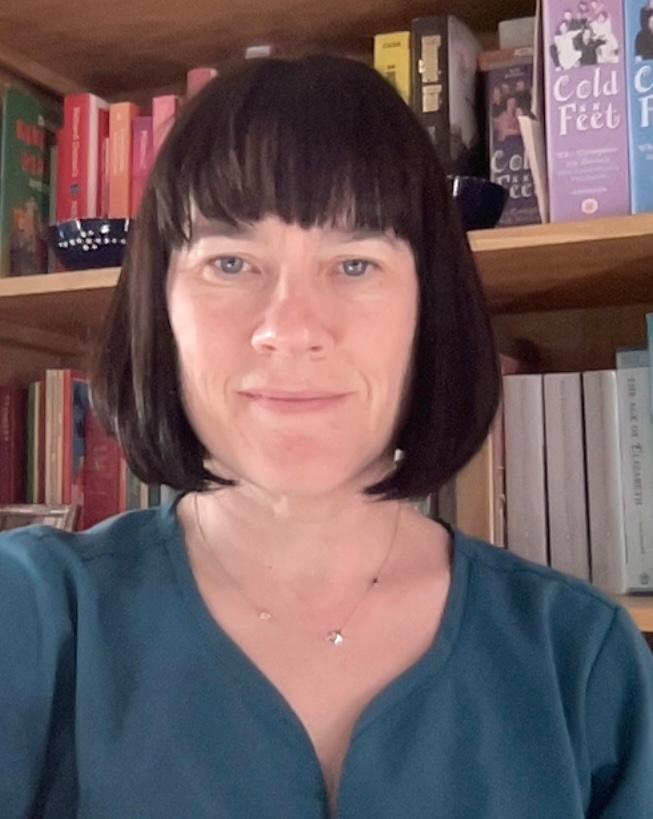
Dr Sarah Wright
Women's Health Specialist GP
MBChB · DRCOG
- Menopause
- Perimenopause
- Vaginal & urinary symptoms


Frequently asked questions
What is the average age of menopause?
51 in the UK, with perimenopausal symptoms typically starting in the mid-40s. Menopause between 40 and 45 is early menopause; before 40 it’s premature ovarian insufficiency — both warrant specialist assessment in their own right.
Do I need a blood test to diagnose menopause?
Over 45, no — diagnosis is clinical, based on symptoms and cycle changes, because hormone levels fluctuate too much to be reliable. Under 45, and especially under 40, testing matters. We test to exclude mimics like thyroid disease, not as a ritual.
Is HRT safe?
For most healthy women starting under 60 or within ten years of menopause, benefits outweigh risks — and modern body-identical, transdermal regimes carry a different risk profile from the older ones behind the alarming headlines. The honest answer is individual, which is why it deserves 45 minutes, not five.
What are the 34 symptoms of menopause?
The “34 symptoms” list is internet folklore — there’s no official count — but it reflects something true: oestrogen acts across the brain, bones, skin, joints, bladder and blood vessels, so the genuine symptom list is long and varies by woman. What matters diagnostically is the pattern, not ticking off a number.
Does menopause affect alcohol tolerance?
Commonly, yes. Changing hormones alter sleep architecture, temperature regulation and how alcohol is processed — so the same drink disrupts more sleep and costs more the next day. Many women find cutting down produces outsized improvements in sleep and flushes.
What helps menopause weight gain?
Falling oestrogen shifts fat storage toward the middle and nudges muscle loss, so the old rules underperform. What works: resistance training to defend muscle, protein-forward eating, sleep repair, alcohol reduction — and treating the symptoms (sleep, mood, energy) that make all of the above harder. Our specialist dietitians work exactly here.
Do menopause supplements work?
Mostly, no — the supplement market is far ahead of its evidence. A few have modest trial support for specific symptoms; most sell hope. Before spending, it’s worth an honest run-through of what data exists for what you’re considering — we’re happy to do exactly that in consultation.
Can I see a menopause specialist without a GP referral?
Yes — you can book directly with our BMS-registered specialists, in person at 8 UK clinics or online. Every consultation includes a letter to your GP so your NHS records stay joined up.
Related conditions
Perimenopause
The years before your final period — when hormones swing rather than simply fall — are often the most symptomatic of all. If your…
Vaginal & urinary symptoms
Dryness, discomfort with sex, urgency, recurrent UTIs — genitourinary symptoms affect more than half of women after menopause. Almost all of it is treatable,…
Bone health
Oestrogen protects bone — and in the years after menopause, women lose bone density faster than at any other time of adult life. Loss…
From our knowledge library
 Knowledge · Menopause
Myths about Migraines and Menopause Hormone Therapy
Navigating Migraines and Menopause: Debunking Myths About Hormone Therapy Among the many symptoms of menopause, migraines can be particularly challenging for those…
 Knowledge · Menopause
Brain Fog in Menopause: Understanding Cognitive Changes During the Transition
If you’re experiencing mental cloudiness, memory lapses, or difficulty concentrating during perimenopause or menopause, you’re not alone. Brain fog and menopause are…
 Knowledge · Menopause
CBT for Menopause: A Proven, Empowering Alternative When HRT Is Not an Option
By Dr Saadat Ahsan, BMS Registered Menopause Specialist TMC Peterborough. For women who cannot take Hormone Replacement Therapy due to breast cancer,…
 Knowledge · Menopause
How Do I Know If My Symptoms Are Menopause? A Simple Guide to Understanding Symptoms
Wondering whether your symptoms are menopause related is incredibly common and can be challenging to interpret. The hormonal changes during perimenopause and…
 Knowledge · Menopause
Arthralgia During Perimenopause and Menopause
Arthralgia during perimenopause and menopause affects countless women, yet it remains one of the most under-discussed symptoms of hormonal transition. Arthralgia (joint…
 Knowledge · Menopause
Is your Transdermal MHT Really Made From Yams?
Is your Transdermal MHT Really Made From Yams? You may have heard that transdermal MHT used during menopause is “made from yams.”…