




Perimenopause
The years before your final period — when hormones swing rather than simply fall — are often the most symptomatic of all. If your 40s feel like your body changed the rules without telling you, this is probably why.
Ask for an urgent GP appointment if:
- you are bleeding between periods or after sex
- you are soaking through a pad or tampon every hour for several hours
- you are passing blood clots larger than a 10p coin
- you have bleeding after the menopause
Heavy or unexpected bleeding is common in perimenopause and usually has a treatable cause, but it needs to be looked at rather than waited out.
What is perimenopause?
Perimenopause is the transition before your final period — typically starting in the mid-40s, sometimes earlier, and lasting anywhere from a couple of years to most of a decade. The defining feature isn’t low hormones; it’s unstable hormones. Oestrogen spikes and crashes rather than declining gracefully, and progesterone falls away as ovulation becomes less regular.
That instability is why perimenopause is so often more symptomatic than menopause itself — the body and brain are perpetually adapting to a moving target — and why it’s so often missed: “you’re still having periods, so it can’t be the menopause.” You can be having regular periods and be profoundly perimenopausal.
The signs and symptoms — including the ones nobody connects
Flushes and night sweats are the famous ones. The symptoms that actually bring women to us are usually quieter: anxiety with no obvious cause, 3am waking, word-finding failures in meetings (brain fog is real, and hormonal), rage that frightens them, migraines changing pattern, alcohol suddenly costing double, itchy or crawling skin, joints that ache without injury, skin and hair changing texture.
Each of those has other possible causes. Clustered together in your 40s alongside changing periods, the pattern is hormonal until proven otherwise — and tracking symptoms against your cycle for two months is the most useful evidence you can bring to any appointment.
Why it can feel worse than menopause itself
Post-menopause, hormones are low but stable, and the body adapts to stable. Perimenopause offers no such settlement: an oestrogen spike one week, a crash the next, progesterone withdrawing unevenly throughout. Brains sensitive to hormonal shifts — the same sensitivity behind PMS and PMDD — feel every swing, which is why premenstrual symptoms often escalate sharply in the perimenopausal years.
Stress physiology joins in too: broken sleep and midlife load push cortisol patterns that amplify anxiety, flushes and weight change. It’s a system-wide moment, and treating it well means seeing the whole system.
Treating the transition
Perimenopause care has its own logic, distinct from post-menopausal HRT. Because you may still ovulate, regimes are typically cyclical — oestrogen with progesterone phased to your cycle — and they flex as the cycle changes. Contraception still matters and can be built in elegantly: a hormonal coil can serve as the progestogen arm of HRT and contraception at once.
Mood symptoms deserve particular honesty: perimenopausal anxiety and low mood often respond better to steadying the hormonal swings than to antidepressants prescribed in a five-minute slot — though the two aren’t mutually exclusive, and CBT holds its evidence here too. The right plan is staged, reviewed, and adjusted by a specialist who knows what you tried last time.
When to seek help
The honest threshold: when symptoms are costing you something — sleep, work, relationships, joy — and lifestyle correction alone hasn’t moved them. You don’t need to wait for your periods to stop, you don’t need a blood test first (over 45 the diagnosis is clinical), and you don’t need a GP referral to see a specialist.
Start with a two-month symptom-and-cycle record if you can. If you don’t have one, come anyway — building that picture is part of what the first appointment is for.
Sound familiar?
Our specialists assess and treat perimenopause at 8 UK clinics and online.
How we treat it
- Specialist consultation A 45-minute history that connects the dots — cycles, mood, sleep and everything in between. About consultations
- Perimenopause-specific HRT Cyclical, flexible body-identical regimes designed for a still-changing cycle — not one-size post-menopausal HRT. About consultations
- Contraception & coil fitting Perimenopause still needs contraception; an IUS can double as the progestogen arm of HRT. About coil fitting
- Psychology & CBT For the anxiety and mood load of the transition — alongside, not instead of, steadying the hormones. About psychotherapy & psychosexual medicine
Specialists in this area
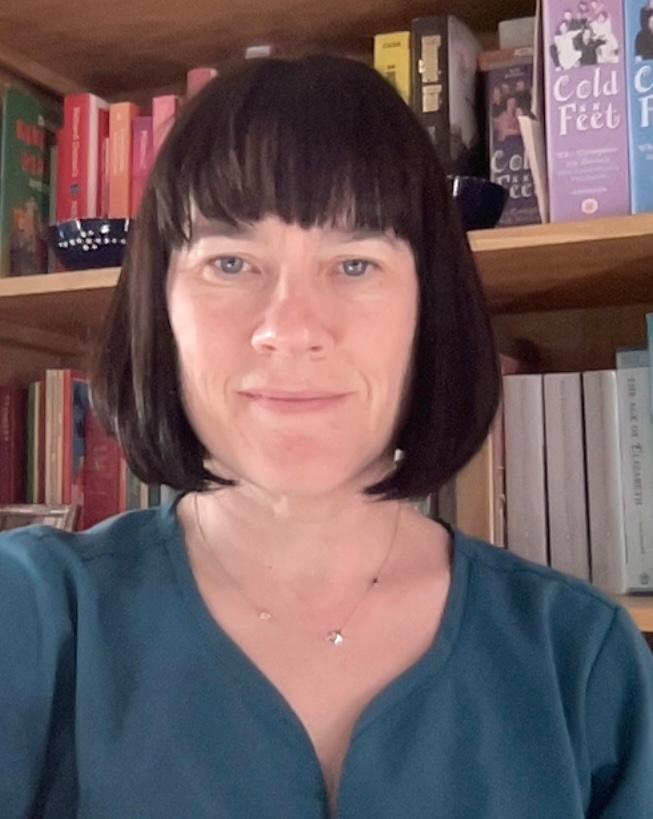
Dr Natasha Davidson
Clinical Lead Director UK
BMBS · MRCGP
- Menopause
- Perimenopause
- Vaginal & urinary symptoms
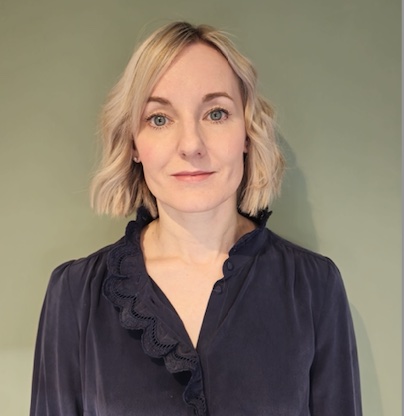
Dr Sarah Wright
Women's Health Specialist GP
MBChB · DRCOG
- Menopause
- Perimenopause
- Vaginal & urinary symptoms



Frequently asked questions
What are the first signs of perimenopause?
Usually subtle cycle changes — periods drifting closer or further apart, heavier or lighter — alongside intensified PMS, new anxiety, broken sleep or brain fog, typically from the mid-40s. Flushes often come later. The cluster and the timing matter more than any single symptom.
How long does perimenopause last?
Typically around four years, but anywhere from a couple of years to eight or more. It ends at menopause — twelve months after your final period — though some symptoms can continue beyond that point, which is why plans get reviewed rather than set once.
What age does perimenopause start?
Most commonly the mid-40s; sometimes late 30s. Symptoms before 40 deserve assessment for premature ovarian insufficiency rather than assumption — a different diagnosis with different treatment priorities.
Can I start HRT during perimenopause?
Yes — perimenopausal regimes are designed exactly for this stage, typically cyclical and flexible. Starting during the transition, when symptoms are often at their worst, is common and appropriate. There’s no requirement to wait for periods to stop.
What are the 34 symptoms of perimenopause?
There’s no official list of 34 — it’s an internet meme with a kernel of truth: because oestrogen and progesterone act body-wide, the real symptom list is long. The diagnostic question isn’t how many you can tick, but whether a cluster of them tracks your changing cycle in your 40s.
Why is my anxiety so bad in perimenopause?
Oestrogen fluctuation destabilises the brain chemistry regulating mood, progesterone’s calming influence withdraws unevenly, and broken sleep raises cortisol — a three-way squeeze. It’s mechanistic, not a character change, and it responds to treatment aimed at the hormones as well as the anxiety.
Do I still need contraception in perimenopause?
Yes — until 12 months after your final period if you’re over 50 (24 months if under 50). Some options do double duty: a hormonal coil can provide contraception and the progestogen component of HRT simultaneously.
How do I lower cortisol in perimenopause?
The evidence-backed levers are unglamorous: repairing sleep (often by treating night sweats), cutting alcohol, regular movement including strength work, daylight, and genuine stress reduction. If flushes and 3am waking are driving the stress loop, treating those hormonally often does more than any supplement marketed at cortisol.
Related conditions
Menopause
The average age of menopause in the UK is 51 — but the symptoms usually start years earlier and the decisions last years beyond.…
PMDD & PMS
PMS that wrecks one or two weeks of every month isn't something to put up with — and when the low mood, rage or…
Progesterone intolerance
If HRT made you feel worse instead of better — low mood, bloating, anxiety, rage — progesterone intolerance may be why. It's one of…
From our knowledge library
 Knowledge · Perimenopause
Contraception During Perimenopause: Do You Still Need It?
By Dr Wendy Knoops, GP, Women’s Health & Menopause Specialist at TMC Many women are surprised to learn that pregnancy is still…
 Knowledge · Perimenopause
Thriving Through the Perimenopause and Menopause: The Power of Exercise and Lifestyle
By Dr Jennifer Fildes, GP, MBChB, MRCGP, DRCOGMember of the British Menopause Society (BMS) and the National Association of Premenstrual Syndrome (NAPS)…
 Knowledge · Perimenopause
Skin Care During Perimenopause: A Doctor’s Guide to Glowing, Confident Skin
By Dr Sarah WrightRegistered BMS Menopause Specialist, Member of NAPS, GP, MBChB, DRCOG, DFSRH, DPD, Women’s hormone health specialist Understanding Skin Changes…
 Knowledge · Menopause
Acupuncture for Perimenopause and Menopause: Supporting Women Through Hormonal Change
Hormonal change runs through a woman’s life in stages that rarely get talked about as one story — first periods, fertility, pregnancy…
 Knowledge · Perimenopause
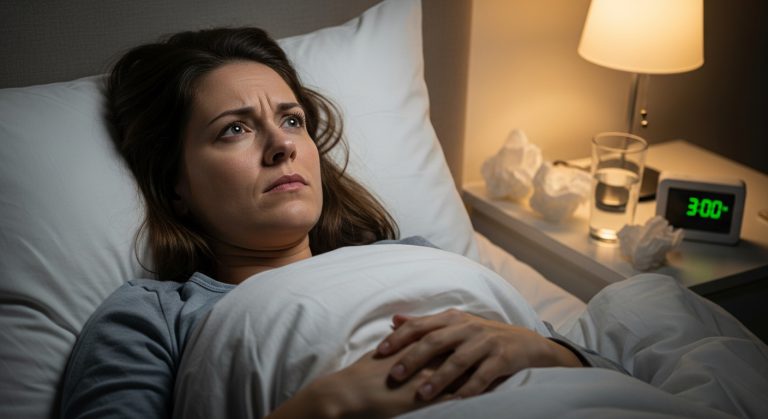
What’s going on with sleep during perimenopause and menopause?
By Dr Paula Bradley, GP, Women’s Health & Menopause Specialist at TMC If you are navigating your 40’s or 50’s and suddenly…
 Knowledge · Perimenopause
Cortisol Perimenopause: Understanding and Managing Your Stress Hormone During the Change
If you’re experiencing sleepless nights, feeling overwhelmed by everyday stressors, or noticing that your usual coping mechanisms aren’t working as well in…