





Migraine is more than just a headache
If you’ve ever had a migraine, you’ll know that calling it a bad headache doesn’t begin to describe how debilitating it can be. For some people, a migraine means retreating to a dark room for hours. For others, nausea, dizziness or sensitivity to light and sound make everyday life impossible.
What many women don’t realise is how closely migraine can be linked to hormonal changes. Attacks may appear before a period, improve during pregnancy or become more frequent in perimenopause. This is not coincidence: changes in oestrogen levels are a recognised influence on migraine.9
What is a migraine?
Migraine is a complex neurological condition. It involves changes in how the brain processes pain and sensory information, including the trigeminovascular system (the network of nerves and blood vessels involved in migraine pain) and chemical messengers such as calcitonin gene-related peptide (CGRP).
An attack can bring moderate to severe throbbing head pain, nausea or vomiting, and sensitivity to light, sound or smells. Some people also have temporary neurological symptoms called aura. Untreated attacks typically last 4 to 72 hours in adults.2
Types of migraine
- Migraine without aura is the most common form.
- Migraine with aura can cause flashing lights, zigzag lines, blind spots, tingling or difficulty speaking. Each aura symptom usually develops gradually and lasts 5 to 60 minutes.2
- Chronic migraine means headache on at least 15 days a month for more than three months, with migraine features on at least 8 of those days.2
- Vestibular migraine can cause vertigo and balance problems, sometimes without much head pain.
- Menstrual migraine follows a pattern around your period (see below).
Why are hormonal headaches and migraines more common in women?
Around 1 in 7 people worldwide have migraine and, after puberty, it is more common in women than men. Hormonal changes play a part, alongside genetics, disrupted sleep, stress, skipped meals and other factors.
Oestrogen affects pain-processing pathways and signalling in the nervous system. Importantly, migraine is not simply caused by too much or too little oestrogen. For many susceptible women, it is the change in level, particularly a fall, that matters most.
Oestrogen and migraine
The best-recognised hormonal trigger is oestrogen withdrawal. Oestrogen falls just before a period, and that drop can trigger attacks in women who are prone to them. Research supports this, although it doesn’t explain every attack.5,9
Progesterone may also influence the nervous system, but its own role in migraine is less clear. There is not enough evidence to recommend testosterone as a migraine treatment.
Period headaches and menstrual migraine
Menstrual migraine typically starts between two days before and three days after your period begins, in at least two out of three cycles.2 These attacks can last longer and be harder to treat than other migraines. Keeping a headache and period diary for three cycles is the best way to confirm the pattern.
Treating menstrual migraine
- Standard acute treatment (see treating migraine attacks below) is the starting point.
- Short-term prevention around your period: if attacks are predictable and don’t respond well enough to standard treatment, NICE recommends considering frovatriptan or zolmitriptan taken on the days migraine is expected.1
- Hormonal contraception: some regimens reduce hormone fluctuations. If you have migraine without aura, taking the combined pill continuously, without the usual monthly break, can reduce period-related attacks. If you have migraine with aura, the combined pill is generally avoided because of stroke risk, and a progestogen-only option such as the desogestrel pill may be considered instead.5 Read more about contraception in perimenopause.
- Oestrogen gel around your period: for some women who still have regular periods, a specialist may suggest oestrogen gel for a few days around the period to smooth the drop in oestrogen. A trial found this reduced migraine days, although attacks could rebound when the gel was stopped, so it needs careful planning.6
If your symptoms around your period are as much about mood as headaches, read about PMDD.
More on migraines and hormones, from our specialists
One email a month: new articles written by the clinicians you’d see. No spam, unsubscribe anytime.
Pregnancy and migraine
Migraine without aura often improves in the second and third trimesters, possibly because oestrogen levels are higher and more stable. This isn’t universal, and migraine with aura can continue or even start in pregnancy. Medicine choices need individual assessment.
A new, severe or unusual headache during pregnancy or after birth must be assessed promptly, including for pre-eclampsia and other causes.
Perimenopause headaches: why migraines can get worse
In perimenopause, oestrogen doesn’t decline in a neat, steady line. Levels can swing up and down, sometimes alongside irregular ovulation, and these swings can make migraine more frequent or unpredictable.7 Poor sleep, night sweats and stress can add to the problem.
A new or changing headache pattern in midlife should still be checked by a clinician rather than assumed to be hormonal.
Menopause headaches: do migraines stop after menopause?
For many women, migraine improves after a natural menopause, once hormone levels settle. This isn’t the case for everyone.7 Other factors, such as poor sleep and medication overuse, can keep attacks going.
A surgical menopause, after removal of both ovaries, causes an abrupt drop in hormones and may make migraine worse for some women.7
Can HRT help migraines?
Hormone replacement therapy (HRT) is not licensed to treat migraine. It may improve migraine for some women when menopause symptoms or unstable hormone levels are contributing, but it can make attacks worse for others.4,7 The aim is to treat menopause symptoms effectively while avoiding unnecessary swings in hormone levels.
Which type of HRT is best with migraine?
- Oestrogen through the skin (patches, gel or spray) is generally preferred for women with migraine, because it gives steadier levels than tablets.3,4 At standard doses, it also carries a lower risk of blood clots than oral oestrogen.
- Progestogen: if you have a womb, you need a progestogen alongside oestrogen to protect the womb lining. Taking progestogen continuously, or using a Mirena coil, avoids the monthly hormone changes of cyclical HRT and may suit women with migraine better.4 If you think your progestogen is making you feel unwell, read about progesterone intolerance.
- Steady dosing: keeping to the same dose, and changing it gradually, helps avoid the dips in oestrogen that can trigger attacks.
Headaches when starting HRT
Some women notice headaches in the first few weeks of starting or changing HRT, and these often settle. If your migraines become more frequent or severe, or you develop aura for the first time, speak to your clinician promptly so your treatment can be reviewed.
Is HRT safe if you have migraine with aura?
Migraine with aura is linked to a higher risk of ischaemic stroke (a stroke caused by a blocked blood vessel in the brain). That’s why the combined contraceptive pill, which contains synthetic oestrogen, is generally avoided.
HRT is different. Under British Menopause Society guidance, migraine with aura is not on its own a reason to avoid HRT.3,4 Oestrogen through the skin, at the lowest dose that controls your symptoms, is generally preferred, after checking your blood pressure, smoking, any history of blood clots or other blood vessel problems, and other risks.
Any new or changing aura always needs medical assessment.
How is migraine diagnosed?
Migraine is diagnosed mainly from your history, using recognised criteria, not from a blood test or scan.1,2 Your clinician will ask how long attacks last, what the pain is like, other symptoms, aura, the medicines you use and whether attacks are linked to your periods. A headache diary is one of the most useful things you can bring.
Brain scans are not usually needed for a typical migraine history with a normal neurological examination, unless there are features that suggest another cause.1
When is a headache an emergency?
Call 999 or go to A&E if you have:
- a sudden, extremely severe headache that peaks within seconds or minutes;
- a headache with new weakness, difficulty speaking, confusion or loss of vision;
- a headache with fever and a stiff neck.
New headaches during pregnancy or after giving birth, and any significant change in your usual headache pattern, need prompt medical review. Sudden neurological symptoms should never automatically be assumed to be aura.
Treating migraine attacks
Depending on what suits you, options include paracetamol, anti-inflammatory painkillers (NSAIDs such as ibuprofen), triptans and anti-sickness medicines. NICE recommends offering a triptan together with an NSAID or paracetamol, taking into account any reasons you shouldn’t take them and your preferences.1
Newer medicines are available on the NHS when NICE criteria are met, usually if standard treatments haven’t worked or aren’t suitable. These include the “gepants”, such as rimegepant, which block the CGRP receptor.
Medication overuse headache
Taking acute migraine medicines too often can itself cause headaches. NICE describes medication overuse headache as headache on 15 or more days a month in someone taking simple painkillers on 15 or more days, or triptans, opioids or combination painkillers on 10 or more days, for more than three months.1 If you’re reaching for painkillers this often, talk to your clinician about prevention.
Preventing migraine
Preventive treatment may be worth considering if attacks are frequent or disabling. Options include:
- Standard preventive medicines, many of which were first developed for other conditions, such as propranolol (for blood pressure) and amitriptyline (an antidepressant, used at a low dose).1
- Topiramate, which is effective but can harm an unborn baby. Since 2024 it should only be prescribed to women who could become pregnant within a pregnancy prevention programme, with highly effective contraception.8
- CGRP treatments: monthly or three-monthly injections that target CGRP, and atogepant tablets, for people whose migraine hasn’t responded to other preventive treatments, when NICE criteria are met.
- Botulinum toxin (Botox) injections for chronic migraine, via a specialist headache service.
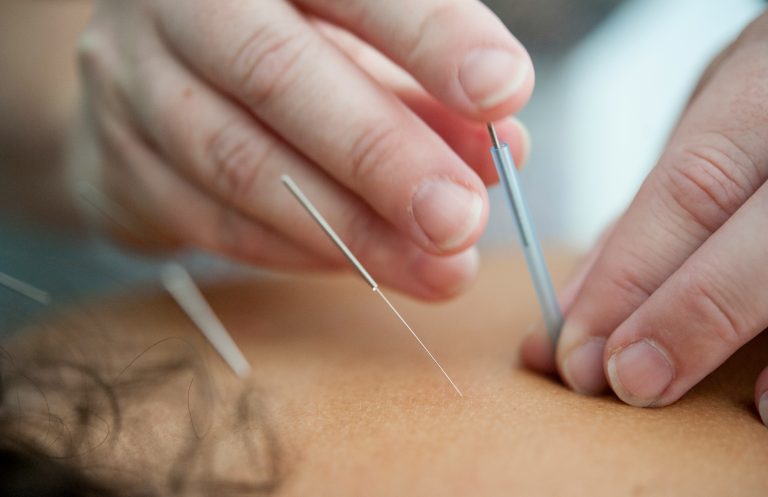
- Riboflavin (vitamin B2, 400 mg a day), which NICE says may be effective for some people, and a course of acupuncture (up to 10 sessions over 5 to 8 weeks).1
- Hormonal approaches, where attacks are clearly linked to your cycle or perimenopause.
The right plan depends on your migraine pattern, your other health conditions and whether you might become pregnant, so it should always be personalised.
Living well with migraine
Regular sleep, regular meals, staying hydrated, physical activity and managing stress can all support migraine control. Too much caffeine, or caffeine withdrawal, can trigger headaches in some people. A diary is usually more helpful than cutting out lots of foods without evidence.
Migraine can affect work, relationships and emotional wellbeing. You shouldn’t feel you simply have to put up with disabling attacks because of your periods or menopause.
Frequently asked questions
How is a migraine different from a headache?
A headache is a symptom. Migraine is a neurological condition with recurring attacks that can also bring nausea, sensitivity to light and sound, or aura.
Are headaches a symptom of perimenopause?
They can be. Fluctuating hormone levels in perimenopause can trigger or worsen headaches and migraines, especially in women who have had period-related migraines in the past.
Can menopause cause migraines?
Hormone fluctuations in perimenopause can trigger or worsen migraine. Many women improve after a natural menopause, though not all.
What causes headaches during my period?
The fall in oestrogen just before a period is a recognised trigger for migraine in women who are prone to it.
Can HRT improve migraine?
Sometimes, particularly when menopause symptoms are contributing, but HRT is not a treatment for migraine on its own.
Can I take HRT if I have migraine with aura?
Aura on its own doesn’t automatically rule out HRT. Oestrogen through the skin is generally preferred, after an individual risk assessment.
Can stress make migraine worse?
Yes. Stress and poor sleep can contribute to attacks, although they don’t fully explain migraine.
Are migraines hereditary?
Genes play an important part, although having a family history doesn’t mean you will definitely have migraine.
Should I see a menopause specialist about my migraines?
It may help if your migraines have changed with perimenopause or HRT. Some women also need a neurological assessment.
A final word
Hormones are only one part of the migraine picture, but they can be an important part. Recognising how your attacks change with your periods, pregnancy, perimenopause and menopause can help guide a more individual treatment plan. With the right assessment and treatment, many women achieve much better control and quality of life.
If your migraines have changed with your cycle, perimenopause or HRT, our specialists can look at the whole picture and help you find the right approach. Find out how we help with hormonal migraine, or book a consultation.