




If you have started reacting to red wine, waking at 3am, flushing, itching or feeling bloated for no obvious reason in your 40s or 50s, you may have come across the idea of histamine intolerance. This guide explains what histamine is, what histamine intolerance is (and isn’t), why it may be more noticeable around perimenopause and menopause, and what can help, based on the current evidence.
What is histamine?
Histamine is a natural chemical made by the body. It is stored mainly in immune cells called mast cells, and it is released as part of the immune response to a trigger such as a nettle sting or pollen. This is protective: histamine makes blood vessels widen and become leakier, so that white blood cells and other immune cells can reach the area to deal with the threat.1
Histamine also has everyday jobs. It acts through several different receptors around the body and helps to control stomach acid and the gut, and it acts as a messenger in the brain, including in the sleep–wake cycle.1,2
When a lot of histamine is released at once, it can cause sneezing, a runny nose, itching and hives. In its most severe form, an allergic reaction can cause anaphylaxis, with swelling of the throat or airway, difficulty breathing and a drop in blood pressure. This is a medical emergency: call 999.
Histamine intolerance is different. It is not an allergy, and it is not an emergency.2,3
What is histamine intolerance?
Histamine doesn’t only come from inside the body. It is also found in food and drink, particularly:1,2
- alcohol, especially red wine;
- fermented foods, such as sauerkraut, soy sauce and kombucha;
- aged cheeses;
- cured and smoked meats;
- some fish, especially tinned fish or fish that isn’t very fresh.
Normally, histamine from food is broken down in the gut by an enzyme called diamine oxidase (DAO). Histamine intolerance describes symptoms that appear when there is more histamine than the body can break down. This is most often linked to low levels or reduced activity of DAO.1,2
Histamine intolerance is estimated to affect around 1% of people, and it is thought that most of those affected are middle-aged, so it often appears at the same stage of life as perimenopause.1
More on histamine and hormones, from our specialists
One email a month: new articles written by the clinicians you’d see. No spam, unsubscribe anytime.
Symptoms of histamine intolerance
Because histamine acts all over the body, symptoms can affect several systems at once:1,2,4
- Gut: bloating (the most commonly reported symptom), tummy pain, diarrhoea and acid reflux.
- Head: headaches and migraines.
- Skin: flushing, itching, eczema and hives.
- Nose and chest: a blocked or runny nose, and wheezing.
- Heart and circulation: a fast or irregular heartbeat, and low blood pressure.
- Periods: worse period pain.
Symptoms often come and go, and the same food may cause a reaction one day and not another. This is one reason histamine intolerance is hard to pin down.3
Histamine intolerance, perimenopause and menopause
Many of the symptoms above, such as poor sleep, palpitations, flushing, itching and low mood, are also common in perimenopause and menopause. Histamine intolerance can therefore mimic menopause symptoms or make them feel worse.
The pregnancy clue
Women with histamine intolerance often notice that their symptoms ease during pregnancy. This is because the placenta produces very large amounts of DAO, which helps to clear histamine from the bloodstream.1
How hormones and histamine interact
The sex hormones and histamine affect each other, and this is an active area of research:
- Oestrogen can encourage mast cells to release histamine. Mast cells have receptors for oestrogen, and conditions linked to mast cells are more common in women.5
- Progesterone appears to have a calming, stabilising effect on mast cells, reducing the histamine they release.6
- Around and after menopause, changing hormone levels have also been linked to more histamine release in the skin and to lower DAO activity, so histamine may be cleared less efficiently.7
In perimenopause, oestrogen levels can swing up and down while progesterone falls, so this balance may tip towards more histamine activity. Some women also notice changes when they start or adjust HRT.
Symptoms women often describe
In perimenopause and menopause, histamine-related symptoms may show up as:
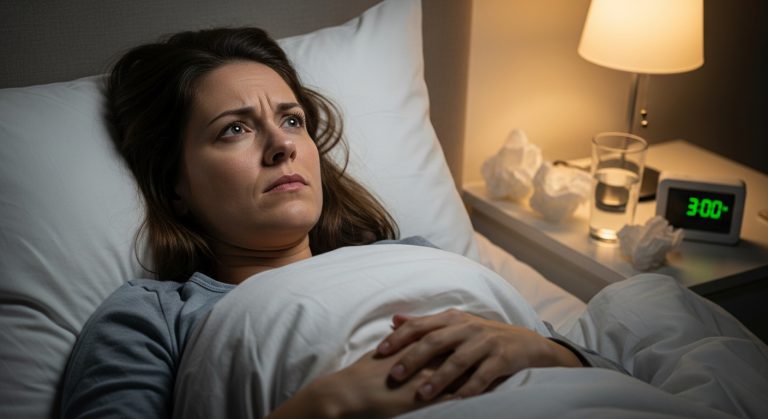
- Sleep: difficulty getting to sleep, or waking in the middle of the night.
- Mood: anxiety, irritability and brain fog.
- Skin: itching and hives.
- Allergy: worse hay fever, or a blocked nose without a clear trigger.
- Heart: palpitations.
- Gut: acid reflux, bloating and new sensitivity to alcohol, especially red wine.
- Temperature: worsening hot flushes and night sweats.
Because these symptoms overlap with so many others, it helps to have a specialist look at the whole picture to work out what is driving them.
How is histamine intolerance diagnosed?
There is no single test that confirms histamine intolerance, so be wary of home “intolerance” test kits.3,8 Diagnosis is based on your symptoms and how they respond to changes in your diet, after other possible causes have been ruled out. Those include coeliac disease, irritable bowel syndrome, thyroid problems, true food allergies and menopause itself.3 A food and symptom diary can be very helpful.
Managing histamine intolerance
Management is individual, and focuses on the things you can change.
Diet
The main approach is to reduce histamine-rich foods and drinks, and those that may block DAO, such as alcohol, for a short trial period. This is followed by carefully reintroducing foods to find your own level of tolerance.3 The guideline describes a short restriction phase of around 10–14 days, then a reintroduction phase of up to six weeks.3
Long-term, very restrictive diets are not recommended, because they can affect nutrition and quality of life. Support from a dietitian can make this much easier.3 It is also worth asking a pharmacist whether any of your regular medicines affect DAO.
Medical options
- HRT (menopausal hormone therapy): treating the underlying hormone changes can improve many overlapping menopause symptoms, and the progestogen part of HRT may help to steady mast cells. Responses vary, though: in some women, oestrogen can make allergic or skin symptoms such as hives worse, so the type and dose may need adjusting.7
- Antihistamines: a trial of antihistamines can ease symptoms for some people.3
- DAO supplements: taken before meals, these aim to boost your ability to break down histamine from food. Some people find them helpful; research is still developing, so it’s best to discuss them with your doctor.2,3
Lifestyle
Stress can also affect mast cells, so stress-reducing activities such as yoga, meditation and good sleep habits may help alongside other changes.
When to get help
Speak to a doctor if your symptoms are new, persistent or affecting your daily life, so that other causes can be checked. Call 999 straight away if you have any signs of a severe allergic reaction, such as swelling of the lips, tongue or throat, difficulty breathing, or feeling faint.
If you think histamine may be playing a part in your perimenopause or menopause symptoms, our specialists can look at the whole picture: your hormones, your symptoms and your treatment options, including whether HRT is right for you. Book a consultation.